

What is RSV?
Around 2 in 3 babies will catch RSV before their first birthday.1
Respiratory syncytial virus (RSV) is a common respiratory virus that affects the airways and lungs.2
While most cases of RSV disease are mild, all babies are at risk of lung infections such as bronchiolitis or pneumonia if they catch RSV.3,4

RSV in babies
For most babies, an RSV infection will cause mild symptoms such as a runny nose, coughing, sneezing and congestion.*3,5
But for some babies, it can get worse and lead to more severe symptoms, which might mean a stay in hospital is needed.3 In fact, RSV is a leading cause of hospitalizations in babies under a year old.6-8
* A baby may not experience all of the symptoms described here. The symptoms shown can also occur with other infections and this is not a complete list, others can occur. Whenever you are concerned about a child’s health, always seek medical advice.
In Malaysia,

RSV causes 7 out of 10 viral lung infections in children under 5 years old.9




Who can get RSV?
People of all ages can get RSV.12 However, certain groups including babies, the elderly, and people with health conditions are more at risk of getting a severe illness if they get infected.12
While RSV often causes a mild illness, in some cases it can become more severe.3,5
Even a baby born healthy and at full term is still at risk of being hospitalized in their first year, if they catch RSV.4,7,13,14
Why are all babies at risk of RSV?
During their first year of life, babies have very small, fragile lungs, and their immune systems continue to mature and develop after their first year.2,15-18
This can make them more vulnerable to serious illness due to an RSV infection, compared to older children and adults.2,15-17
What are the symptoms of RSV in infants and how can I tell if it’s severe?
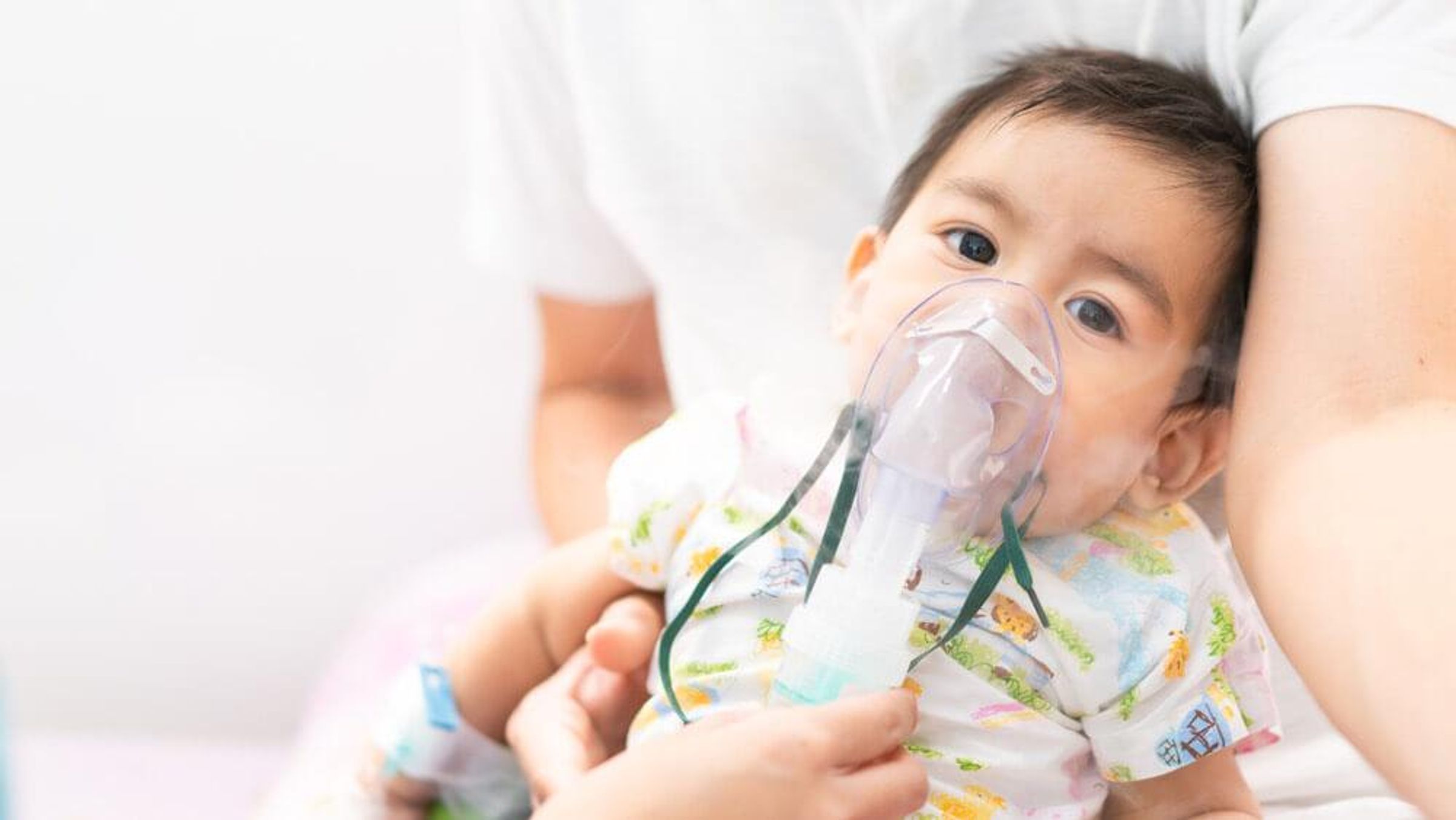
RSV symptoms in infants can range from mild to severe:
- Mild illness: Symptoms may include sneezing, runny or blocked nose, cough, low-grade fever, irritability, and poor feeding.3,5,19
- Severe illness: Severe disease caused by RSV can include lung infections such as bronchiolitis or pneumonia, with symptoms such as fever, cough, wheezing, rapid and/or difficulty breathing, belly sucked in and/or ribs more visible than usual, and blue lips or fingertips (cyanosis).3,5,19,20
Seek immediate medical attention if your child has difficulty breathing, is not drinking enough fluids, or their symptoms worsen. Please note: This is not a complete list, other symptoms can occur and infants may not experience all of these symptoms. Always consult your paediatrician or overall healthcare professional for concerns, as other infections can present similar symptoms.
RSV and pneumonia
Some babies may develop pneumonia when RSV goes deep into their lungs, causing inflammation.5,19 This leads to fluid and pus building up in the tiny air sacs in their lungs, making it difficult and painful for them to breathe.5,19
RSV and bronchiolitis
Bronchiolitis is an illness caused by an infection in the smallest airways of the lungs, which are called bronchioles.2 When bronchioles become inflamed and swell, mucus can build up and block them, making it difficult to breathe.5
RSV is responsible for up to 80% of bronchiolitis cases in babies.2
The Together Against RSV Movement
Together Against RSV is a disease awareness initiative from Sanofi, to educate and inform parents, parents-to-be, and caregivers about infant illnesses caused by RSV.
Footnotes & references
RSV, respiratory syncytial virus.
1. Walsh E. Clin Chest Med 2017; 38(1): 29–36.
2. Pickles RJ and De Vincenzo JP. J Pathol 2015; 235(2): 266–276.
3. Piedimonte G and Perez MK. Pediatr Rev 2014; 35(12): 519–530.
4. Hall CB et al. Pediatrics 2013; 132(2): e341–e348.
5. Meissner HC. N Engl J Med 2016; 374(1): 62–72.
6. Leader S and Kohlhase K. Pediatr Infect Dis J 2002; 21(7): 629–632.
7. Demont C et al. BMC Infect Dis 2021; 21(1): 730.
8. Suh M et al. J Infect Dis 2022; 226(Supp 2): S154–Sl63.
9. Ng KF, et al. J Paediatr Child Health 2017;53(4):399–407.
10. Low YL, et al. PLoS One 2022;17(8):e0265288.
11. Ng, DC, et al. Clin Respir J 2024;18(3):e13747.
12. Du Yet al. Int J Infect Dis 2023; 135: 70–76.
13. Arriola C et al. J Pediatric Infect Dis Soc 2020; 9(5): 587–595 (Suppl Appendix).
14. Bianchini S et al. Microorganisms 2020; 8(12): 2048.
15. Hussain M et al. Biochim Biophys Acta Mol Basis Dis 2017; 1863(12): 3226–3242.
16. Lambert L et al. Front lmmunol 2014; 5: 466.
17. Di Cicco M et al. Pediatr Pulmonol 2021; 56(1): 240–251.
18. Simon AK et al. Proc Royal Soc 2015; 282: 20143085.
19. Mayo Clinic. Respiratory syncytial virus. Available at: https://www.mayoclinic.org/diseasesconditions/respiratory-syncytial-virus/symtpms-causes/syc-20353098. Accessed: September 2024.
20. Vandendijck Y et al. Influenza Other Respir Viruses 2022; 16: 1091–1100.