Before the Open Road: Growing Up with Kidney Disease
Peio’s family had always been close, so when the baby of the family got sick, they worked extra hard to give him a normal childhood, despite the hospital visits, blood tests, and dietary restrictions.
His earliest memory is not of illness, but of trying to keep up with his friends. “At that time, it was all about football, and we all wanted to be the best. But I got tired very quickly. Later, we realized it was because I had anemia. I went to school with my classmates. I lived a normal life,” he recalls. “I remember I had to have breakfast twice, because I usually threw up the first. I also remember going to the hospital for blood tests and having to sit next to the window because I’d feel dizzy. And the doctors were really kind.”
But nothing prepared him for the news he received in early 2009 when he was 27. “I started feeling unwell, had some tests done, and the results were bad. Two or three months later, the kidney wasn’t working,” he remembers.
The news was devastating. Peio remembers feeling furious at the thought of returning to dialysis and facing another transplant. He had already lived through so much, and the idea of beginning again felt overwhelming. “I even considered not getting another transplant and just letting whatever needed to happen, happen.”
He began temporary hemodialysis, a way of replacing some of the functions of the kidneys when they fail by using a machine to filter and clean the blood. The experience came with intense headaches. “All I wanted after each session was to get home, turn off the lights, and sleep.”
A Mother’s Gift and a New Beginning
And then his mother stepped forward as a living donor.
“During the first two transplants, I didn’t have any particular thoughts about the donors. I didn’t know who they were or what they were doing for me. But this last one from my mother...knowing that I now carry a part of her inside me, that’s very important and something I always have with me,” he says.
And thanks to both his parents, kidney disease has never defined the story of Peio’s life. That sense of normalcy growing up helped him understand that his disease was part of his life, but not the only part.
"I'm grateful for my life. I thought I wasn't going to be able to do hard or strenuous sports. But I've done two half marathons in Bilbao, and I'm still pushing my limits today."
Peio
The “Miracles” in Motion
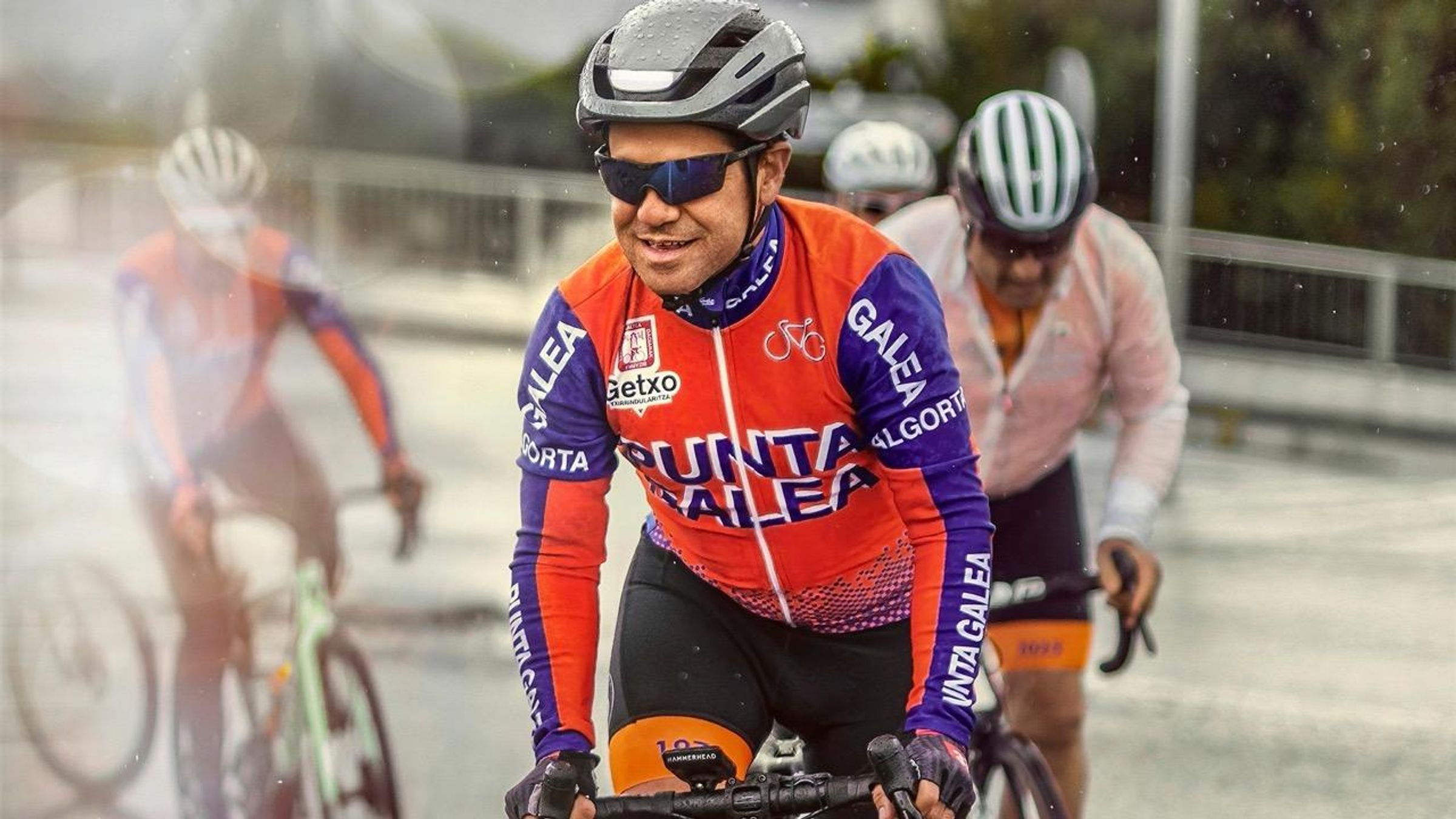
As he got older, sport became a way to push himself and understand what his body could do, first running 10ks and a half marathon, and then encouraged by his dad, he took up cycling.
Every weekend, he can be found on the open road, cycling with friends and covering some of the 15,000 kilometers he rides each year, attacking the ride the same way he approaches life, by adapting and moving forward, even when the road ahead is uncertain.
Peio has never let illness define his life, instead choosing to focus on progress and resilience.
“Today, I’m very grateful for the entire donation system, my medical team, the medication, and the checkups. I’m grateful for my life. I thought I wasn’t going to be able to do hard or strenuous sports. But I’ve done two half marathons in Bilbao, and I’m still pushing my limits today,” he says.
For Peio, the miracles of science are not abstract. They are the ability to work Monday to Friday, ride with friends on the weekend, recover from setbacks and continue to imagine the future.
For others living with chronic kidney disease, Peio’s journey is a reminder that a diagnosis can change the path ahead, but it does not have to erase joy, ambition, or connection. With family, medical care and the determination to keep moving, Peio continues to ride forward, one day at a time.
Every person’s experience is unique and individual experiences may vary. Remember, your healthcare provider is the best source of health-related information, and be sure to ask them any questions you may have. Individuals featured were compensated.