

RSV Symptoms and Severity
RSV symptoms in babies

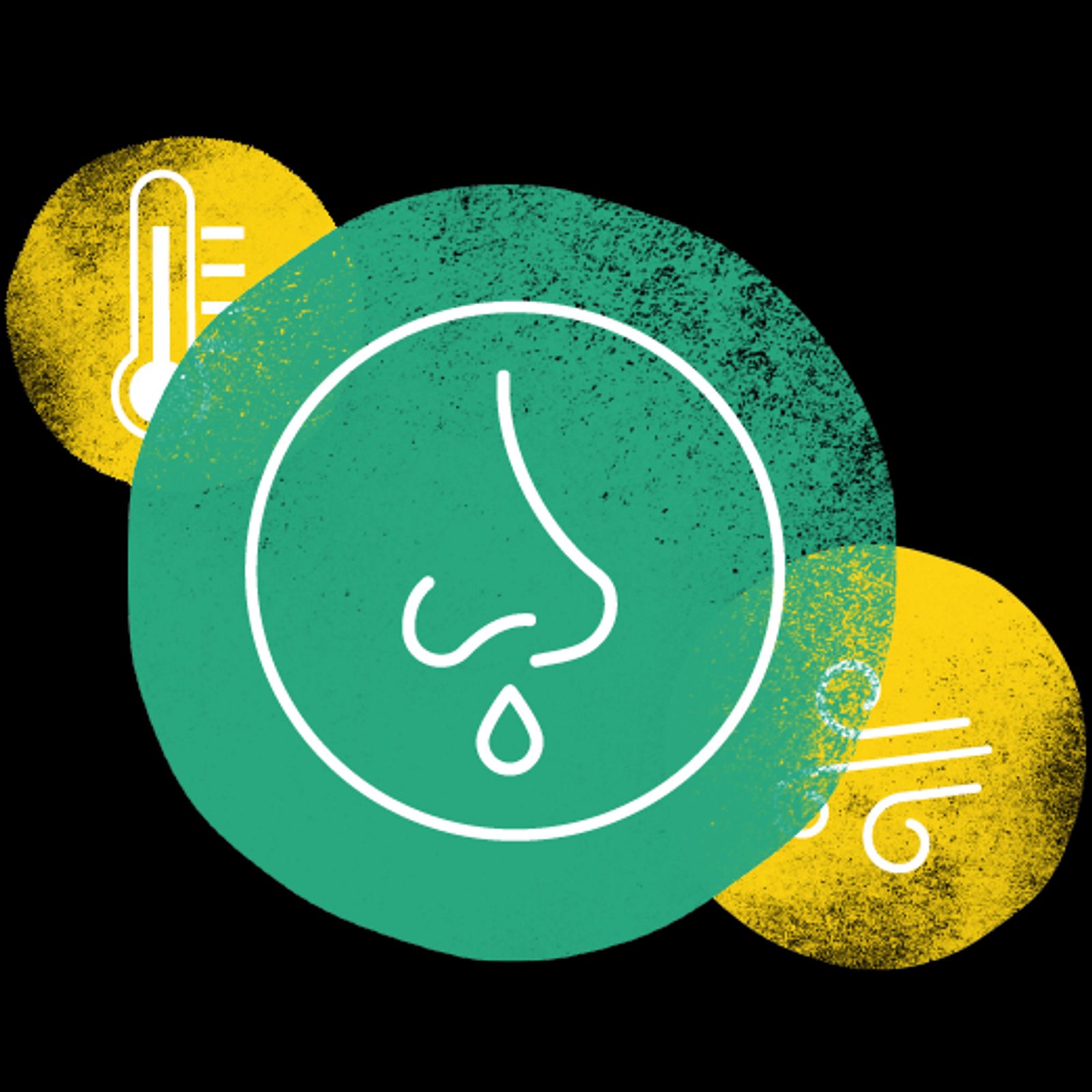
Symptoms in mild RSV illness
Infants with respiratory syncytial virus (RSV) can have various symptoms, and some of these will be more severe than others.
However, most infants who get RSV will usually experience mild illness, with symptoms that may include:1–3
- Sneezing
- Runny nose
- Blocked nose
- Cough
- Low-grade fever
- Irritability
- Poor feeding
Please note: this is not a complete list, other symptoms can occur and infants may not experience all of these symptoms. Other infections may also cause similar symptoms. When concerned about the health of your child, seek medical advice.
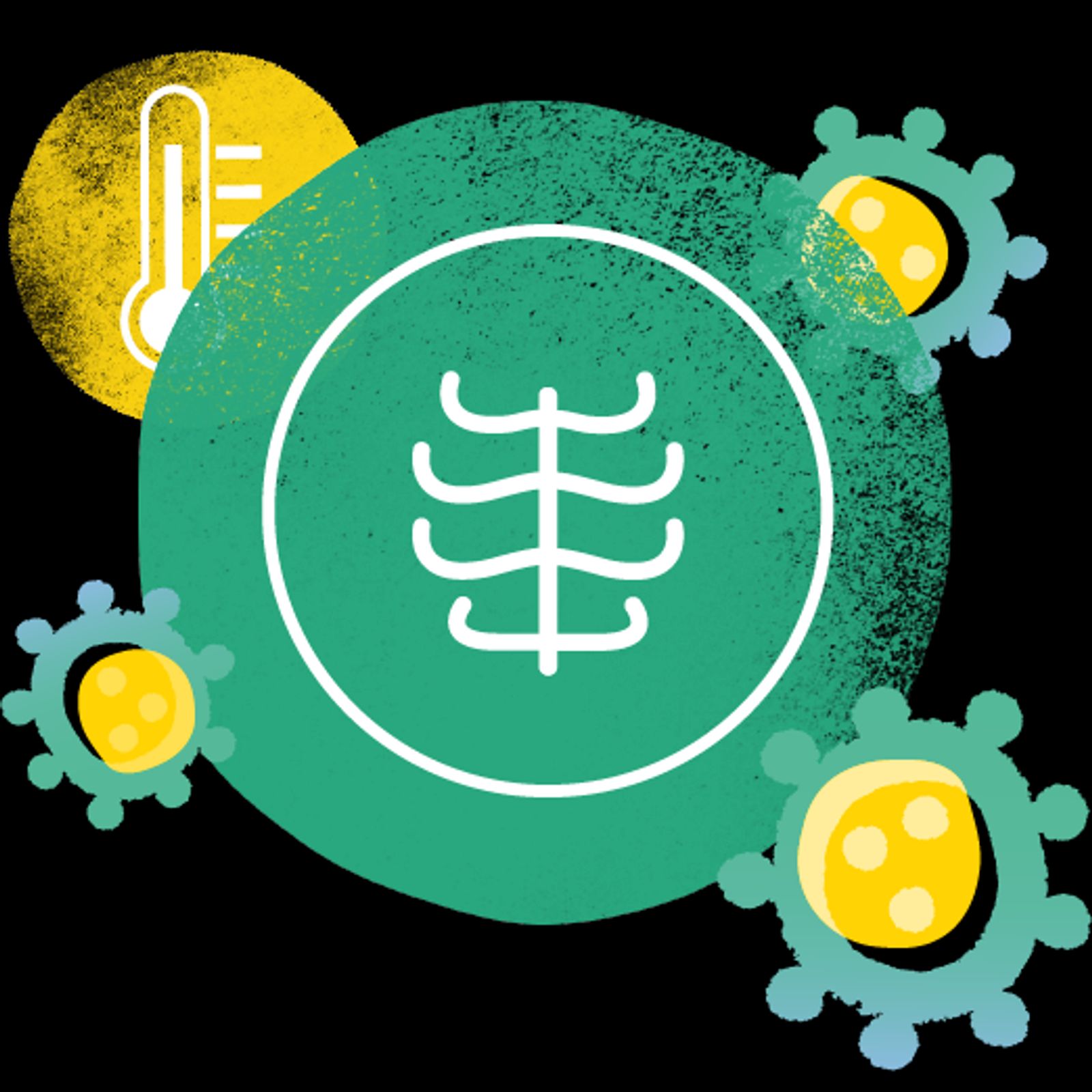
Symptoms in severe RSV illness
Babies have small, fragile lungs, and their immune systems continue to develop after birth.4 This may leave babies vulnerable to developing a serious illness due to an RSV infection.4 Severe disease caused by RSV can include lung infections such as bronchiolitis or pneumonia, which can cause symptoms that may include:1–3,5
- Fever
- Cough
- Wheezing (a high-pitched noise usually heard on breathing out)
- Rapid breathing and/or difficulty breathing
- Belly sucked in and/or ribs more visible than usual when breathing
- Blue lips and fingertips due to lack of oxygen (cyanosis)
Please note: this is not a complete list, other symptoms can occur and infants may not experience all of these symptoms. Other infections may also cause similar symptoms. When concerned about the health of your child, seek medical advice.

Wheezing
An example of wheezing can be found in this video, which covers bronchiolitis, a lung infection that can sometimes be caused by RSV.2
Most cases of RSV disease are mild and a baby may not experience difficulty breathing or wheezing.2
Please note, sound effects are for illustrative purposes only. Symptoms may vary and there are many potential causes of respiratory symptoms in infants. If you are concerned about a child’s breathing, always seek medical advice.
RSV progression and complications
Severe respiratory infections that can be caused by RSV
Most cases of RSV disease won’t develop into severe illnesses such as bronchiolitis or pneumonia.2 However, it is difficult to predict which babies will get lung infections,6 so it’s important to understand what they are and what they can lead to.

RSV and pneumonia
Some babies may develop pneumonia when RSV goes deep into their lungs, causing inflammation.1,3,7 This leads to fluid and pus building up in the tiny air sacs in their lungs, making it difficult and painful for them to breathe.1,3,7
RSV and bronchiolitis
Bronchiolitis is an illness caused by an infection in the smallest airways of the lungs, which are called bronchioles.2 When bronchioles become inflamed and swell, mucus can build up and block them, making it difficult to breathe.1
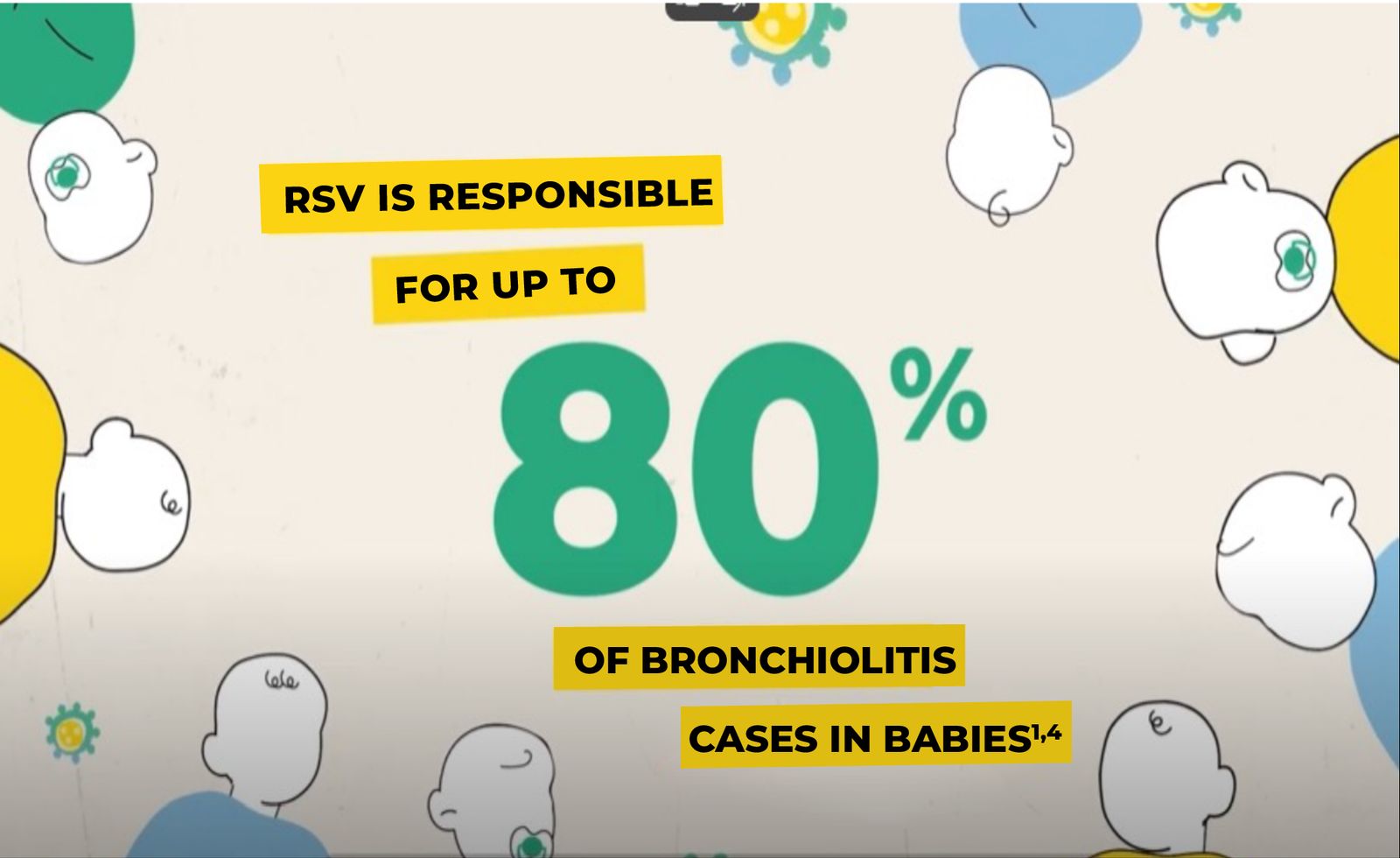
RSV is responsible for up to 80% of bronchiolitis cases in babies.2,8
Risk factors for RSV in babies
While most RSV cases are mild,1 all babies are at risk of developing bronchiolitis or pneumonia from an RSV infection.9 It can be very difficult to predict which babies will be hospitalized,6 but there are some known risk factors.
Environmental
Around 2 out of 3 babies will be infected with RSV before their first birthday,10 but babies who experience one or more of the following conditions are more likely to catch RSV than those who don’t:11
- Cold temperatures
- High humidity
- Exposure to tobacco smoke
- High benzene air concentration (for example, if you live near a gas station)
- Living in urban areas
- Home conditions, such as heating with stoves

Health-related
RSV infection can progress from cold-like symptoms to a more severe illness within a few days. However, some infants are more vulnerable to severe disease than others, such as:12
- Premature babies
- Babies up to 12 months old
- Children younger than 2 years with chronic lung disease or congenital heart disease
- Children with a weakened immune system
- Children with neuromuscular disorders
Illnesses with similar symptoms
Respiratory illnesses
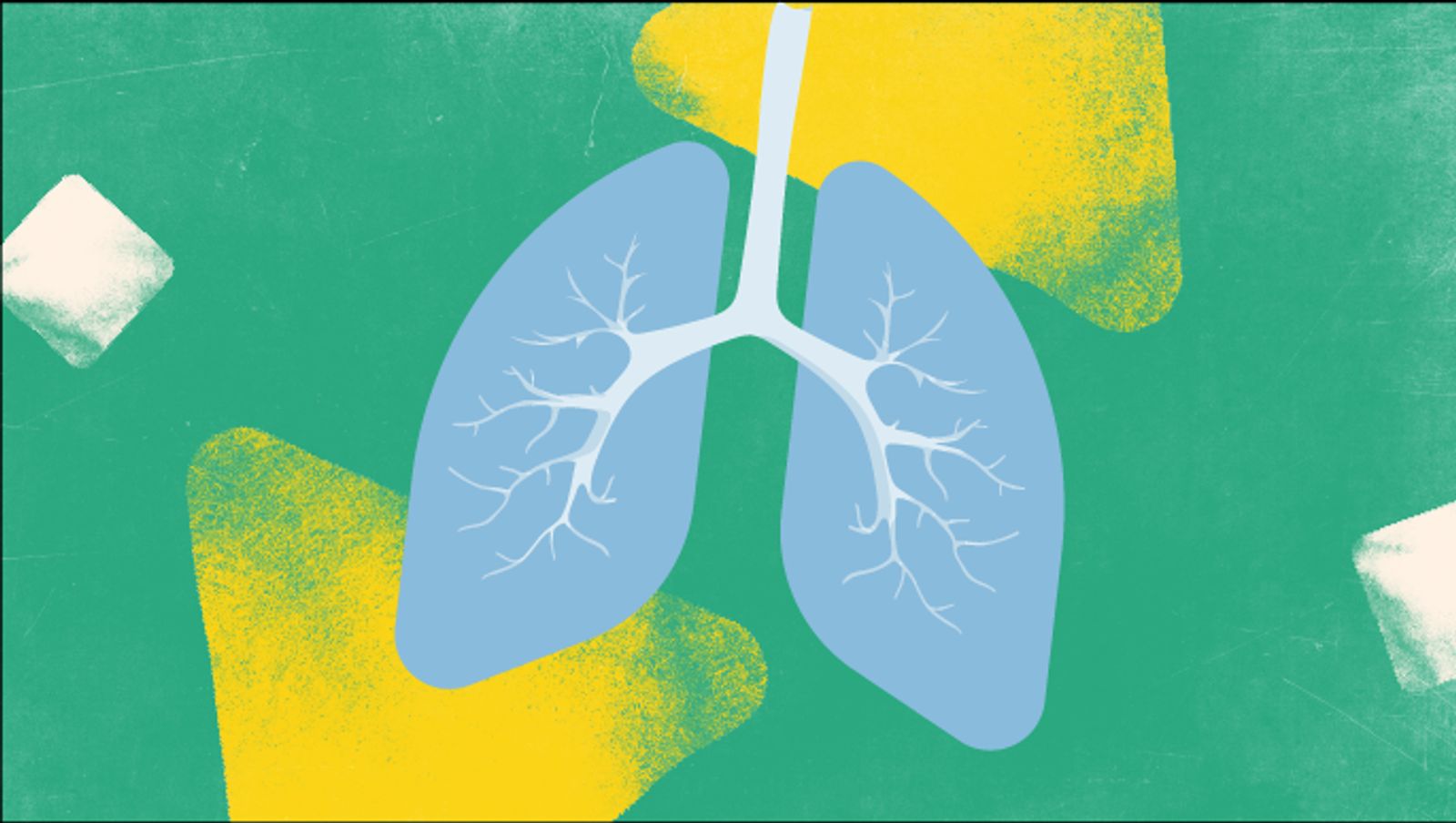
While other respiratory conditions can have similar symptoms to RSV,13 it’s important to remember that RSV is a leading cause of bronchiolitis and pneumonia in babies.2
If you are worried about your baby's health, seek medical advice.

Click here to learn more about the prevention and management of RSV.
Footnotes & references
RSV, respiratory syncytial virus.
1. Meissner HC. N Engl J Med 2016; 374(1): 62–72.
2. Piedimonte G and Perez MK. Pediatr Rev 2014; 35(12): 519–530.
3. Mayo Clinic. Respiratory syncytial virus. Available at: https://www.mayoclinic.org/diseases-conditions/respiratory-syncytial-virus/symtpms-causes/syc-20353098. Accessed: September 2024.
4. Pickles RJ and DeVincenzo JP. J Pathol 2015; 235(2): 266–276.
5. Vandendijck Y et al. Influenza Other Respir Viruses 2022; 16: 1091–1100.
6. Bianchini S et al. Microorganisms 2020; 8(12): 2048.
7. National Heart, Lung and Blood Institute. What is Pneumonia? Available at: https://www.nhlbi.nih.gov/health/pneumonia. Accessed: September 2024.
8. Dalziel SR et al. Lancet 2022; 400: 392–406.
9. Hall CB et al. Pediatrics 2013; 132(2): e341–e348.
10. Esposito S, et al. Front Immunol. 2022;13:880368
11. Suleiman-Martos N et al. J Pers Med 2021; 11: 416.
12. Centers for Disease Control and Prevention (CDC). Respiratory Syncytial Virus Infection (RSV). Infants & Young Children. Available at: https://www.cdc.gov/rsv/high-risk/infants-young-children.html. Accessed: September 2024.
13. Children's Hospital Colorado. Respiratory Illness in Kids: How to Tell the Difference Between COVID-19, Flu and More. Available at: https://www.childrenscolorado.org/conditions-and-advice/parenting/parenting-articles/coronavirus-and-flu-symptoms. Accessed: September 2024.