

Understanding RSV
Respiratory syncytial virus (RSV) affects the airways and lungs, and can be easily spread.1,2
While most cases are mild, RSV is a leading cause of lung infections in babies.2

Why are babies at greater risk of RSV disease than older children or adults?
RSV can infect anyone, but some people are more at risk of serious illness than others.3 During their first year of life, babies' lungs and immune systems are still developing, which makes them vulnerable to RSV disease.4
What happens when babies are too young to tell their parents about RSV? Their toys speak up for them!
Watch as toys come to life to tell the story of Sofia, a baby battling with an RSV infection.
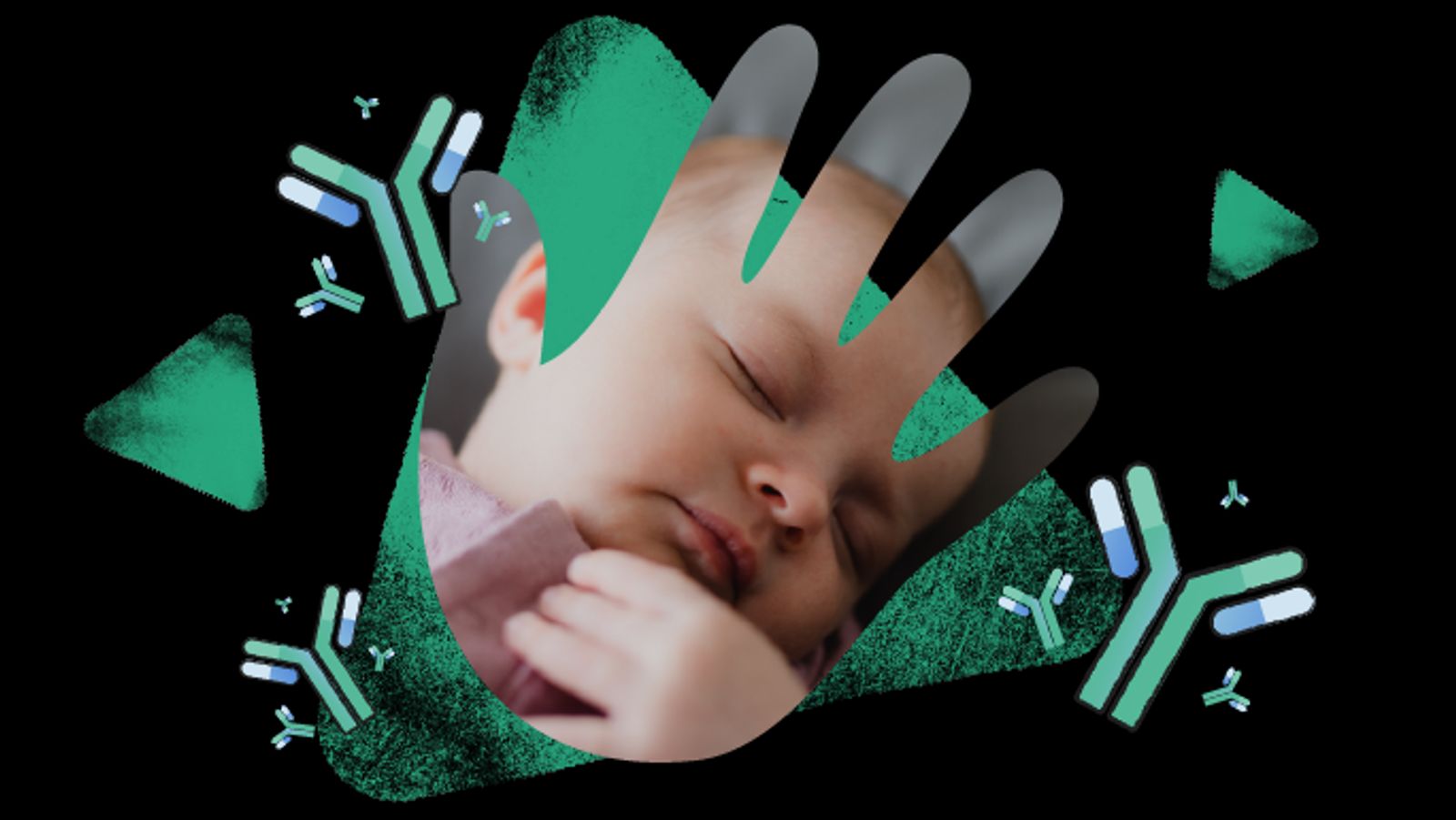
How do babies’ immune systems make them vulnerable to RSV?
A baby's immune system continues to mature after birth, so it's di cult for them to produce a strong enough immune response to protect against RSV disease on their own.5,6
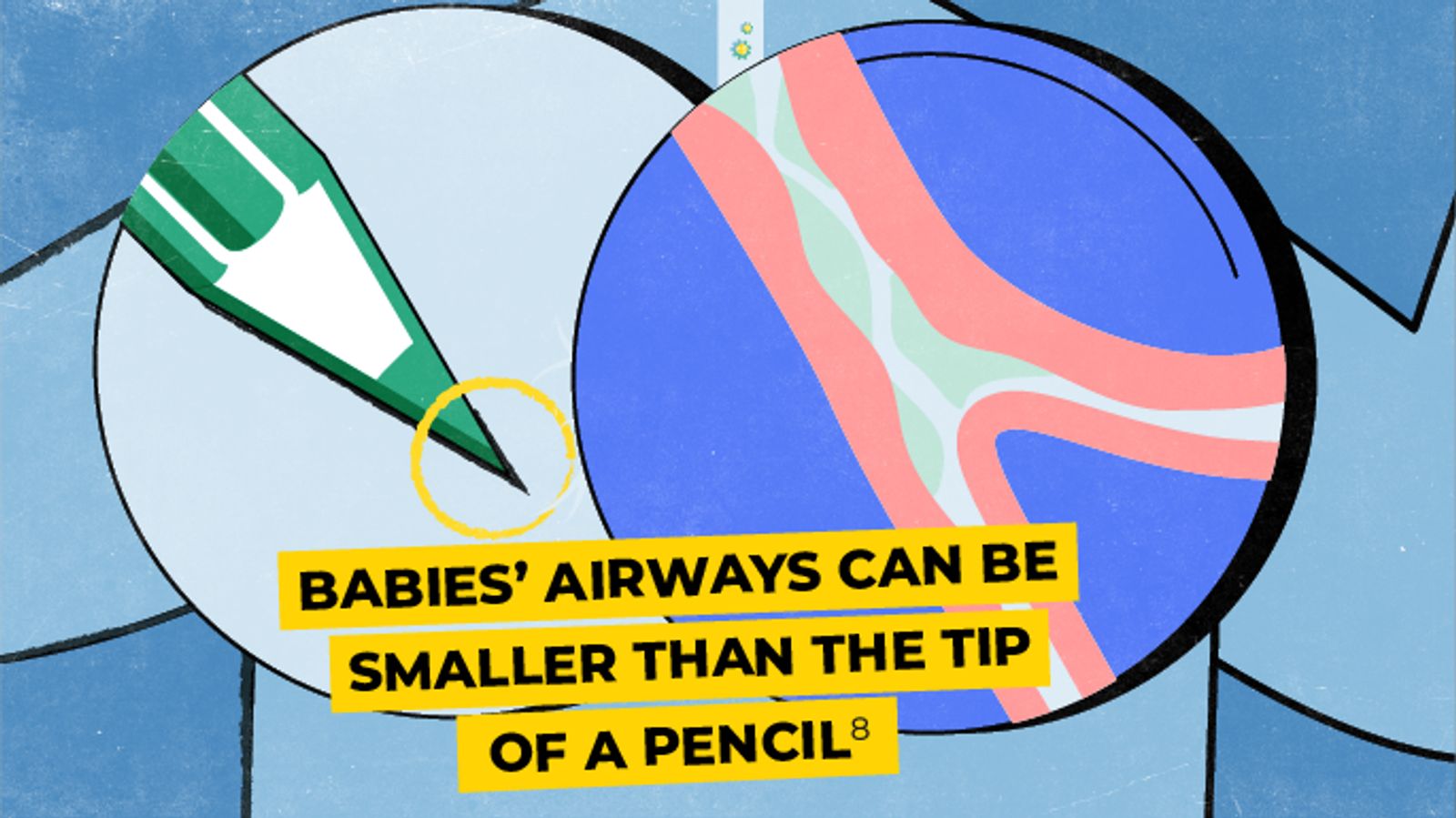
How do babies' lungs develop?
Babies' lungs continue to develop throughout infancy and childhood.7
In the first year of life, the airways in their lungs are very small and fragile,8 and babies' airways can be smaller than the tip of a pencil.7
As in some other infections, when babies have an RSV infection, these narrow airways are much more likely to become blocked with mucous, which can make it difficult for them to breathe.9
So, along with their developing immune systems, their tiny lungs make babies vulnerable to developing a severe illness following an RSV infection.7``
How does RSV affect the lungs?9
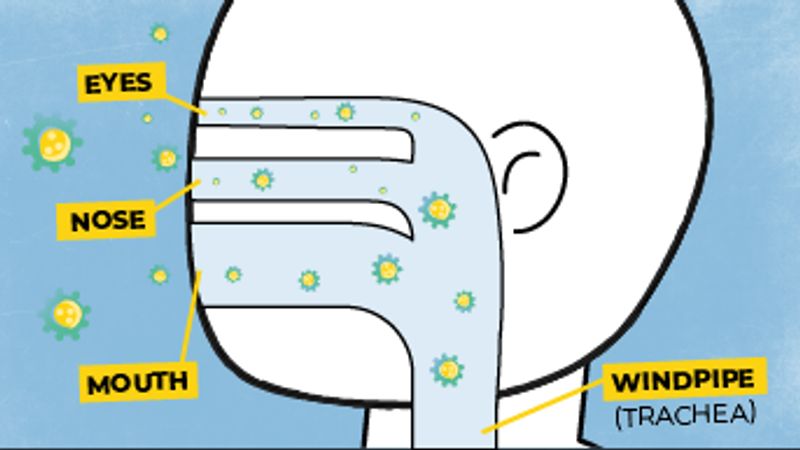
1. RSV enters via droplets into the eye, nose, or mouth.
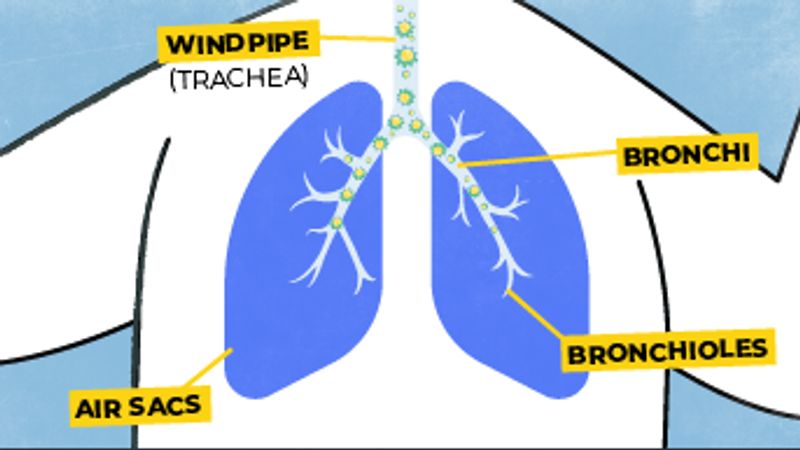
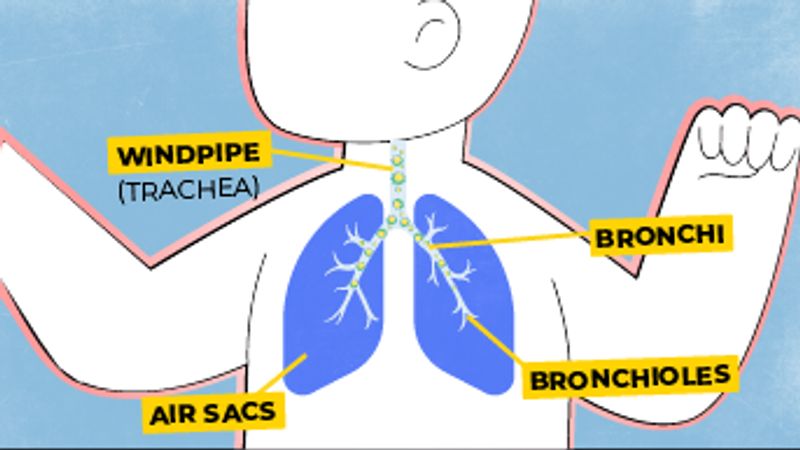

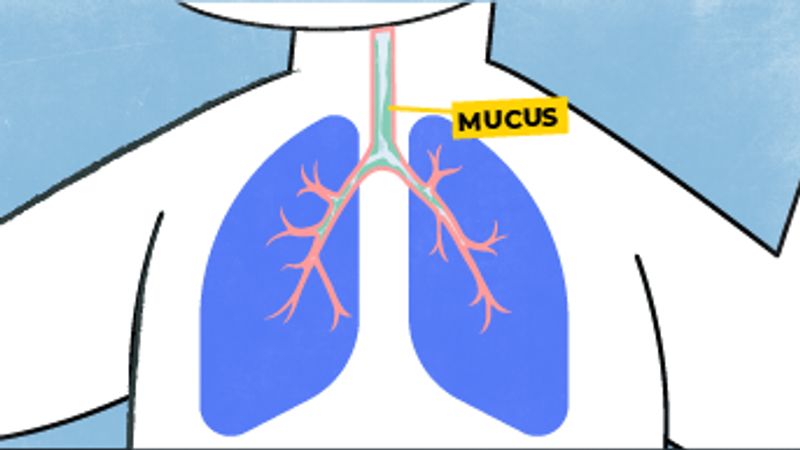
Adapted from Jain H et al. 2023.
What is the timeline of a typical RSV infection?11
When babies catch RSV, the virus will multiply in their body for around 3-5 days (we call this the incubation period). 11 Following this, symptoms will start to show; these usually get worse around Day 5, and then get better 7-10 days after infection.11
Most cases of RSV disease are usually mild and will resolve within this time.2
But for some babies, symptoms can progress from cold-like to severe within a few days of infection.12
Following an RSV infection, a cough may linger for around 4 weeks and around half of babies may have a wheeze after being ill with RSV.11
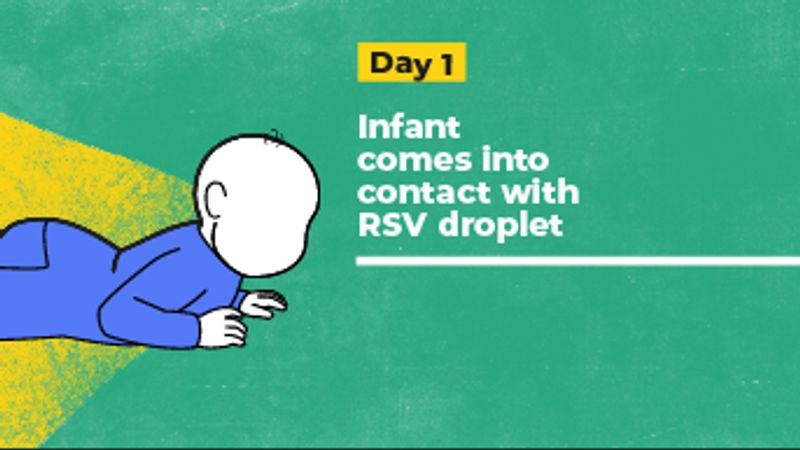
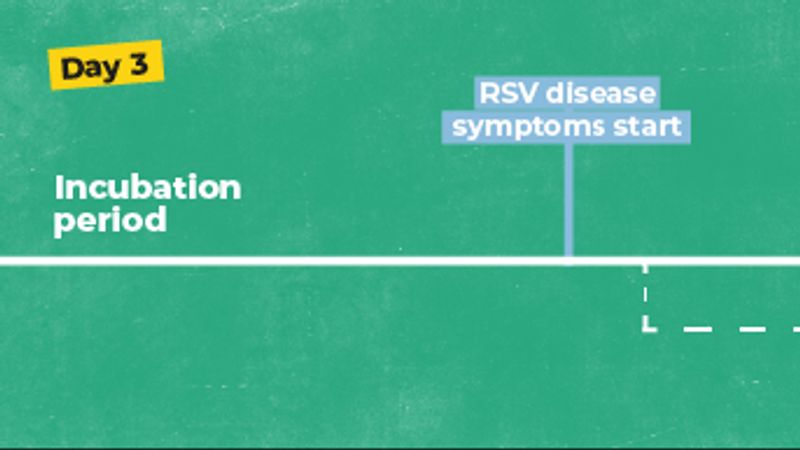
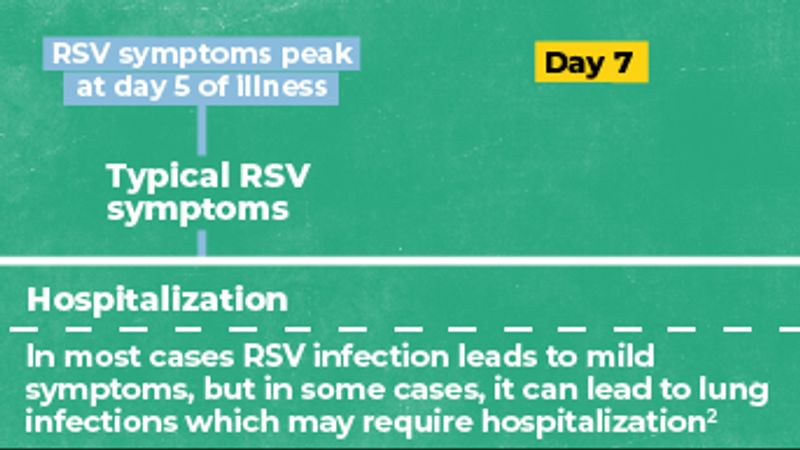
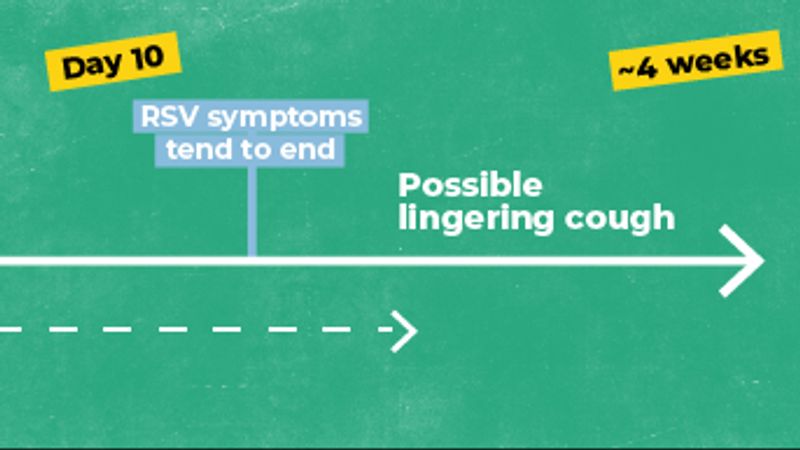
Adapted from Eiland L. 2009 and the Centers for Disease Control and Prevention (CDC).
When concerned about the health of your child, seek medical advice.
Please note: This is an illustration of the common pattern of illness due to RSV, but time periods and symptoms may vary between individuals.

Click here to learn more about the symptoms and severity of RSV.
Footnotes & references
RSV, respiratory syncytial virus.
- Chatterjee A, Mavunda K, Krilov LR. Current State of Respiratory Syncytial Virus Disease and Management. Infect Dis Ther. 2021;10(Suppl 1):5-16. doi:10.1007/s40121-020-00387-2
- Piedimonte G, Perez MK. Respiratory syncytial virus infection and bronchiolitis [published correction appears in Pediatr Rev. 2015 Feb;36(2):85.
- Kaler J, Hussain A, Patel K, Hernandez T, Ray S. Respiratory Syncytial Virus: A Comprehensive Review of Transmission, Pathophysiology, and Manifestation. Cureus. 2023;15(3):e36342.
- Pickles RJ, DeVincenzo JP. Respiratory syncytial virus (RSV) and its propensity for causing bronchiolitis. J Pathol. 2015;235(2):266-276
- Simon AK, Hollander GA, McMichael A. Evolution of the immune system in humans from infancy to old age. Proc Biol Sci. 2015;282(1821):20143085.
- Lambert L, Sagfors AM, Openshaw PJ, Culley FJ. Immunity to RSV in Early-Life. Front Immunol. 2014;5:466. Published 2014 Sep 29.
- Di Cicco M, Kantar A, Masini B, Nuzzi G, Ragazzo V, Peroni D. Structural and functional development in airways throughout childhood: Children are not small adults. Pediatr Pulmonol. 2021;56(1):240-251
- Hussain M, Xu C, Lu M, Wu X, Tang L, Wu X. Wnt/β-catenin signaling links embryonic lung development and asthmatic airway remodeling. Biochim Biophys Acta Mol Basis Dis. 2017;1863(12):3226-3242.
- Meissner HC. Viral Bronchiolitis in Children. N Engl J Med. 2016;374(1):62-72.
- Jain H et al. Respiratory Syncytial Virus Infection in Children. June 2023. In: StatPearls [Internet]. Treasure Island (FL): StatPearls Publishing; 2024. Available at: https:// www.ncbi.nlm.nih.gov/books/NBK459215/. Accessed: September 2024.
- Eiland LS. Respiratory syncytial virus: diagnosis, treatment and prevention. J Pediatr Pharmacol Ther. 2009;14(2):75-85.
- Smyth RL, Brearey SP. BRONCHIOLITIS. Encyclopedia of Respiratory Medicine. 2006;268-275.