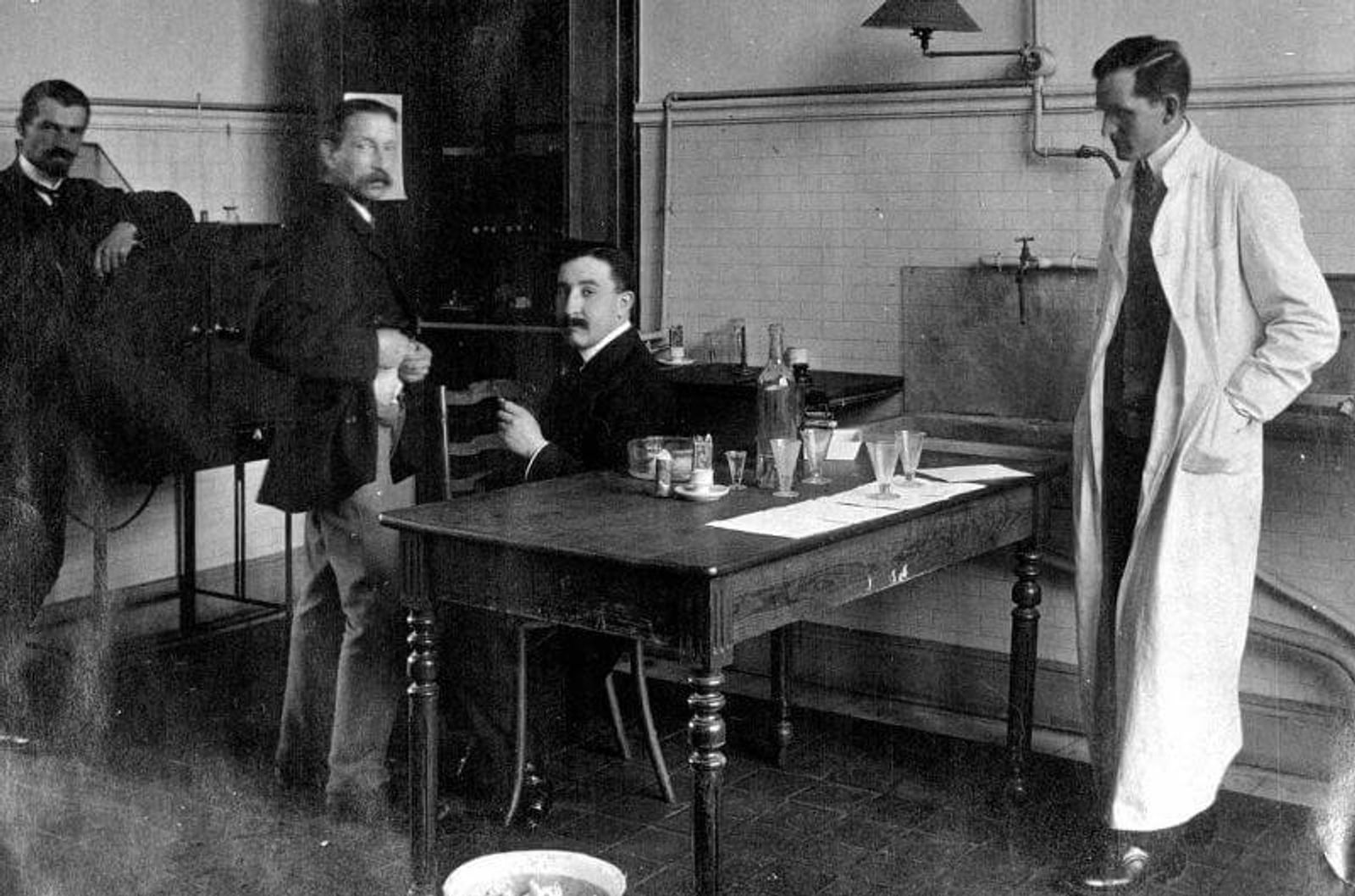
FitzGerald’s goal was to make life-saving public health products available to everyone in Canada at an affordable price.
At the time, diphtheria was the leading cause of death among children, but producing diphtheria antitoxin required horses. Using his wife’s inheritance, FitzGerald built a laboratory and stable in his backyard, bought horses and began producing the antitoxin.
His work gained support, including from the Ontario government, which purchased the antitoxin. On May 1, 1914, the University of Toronto officially established the Antitoxin Laboratories.
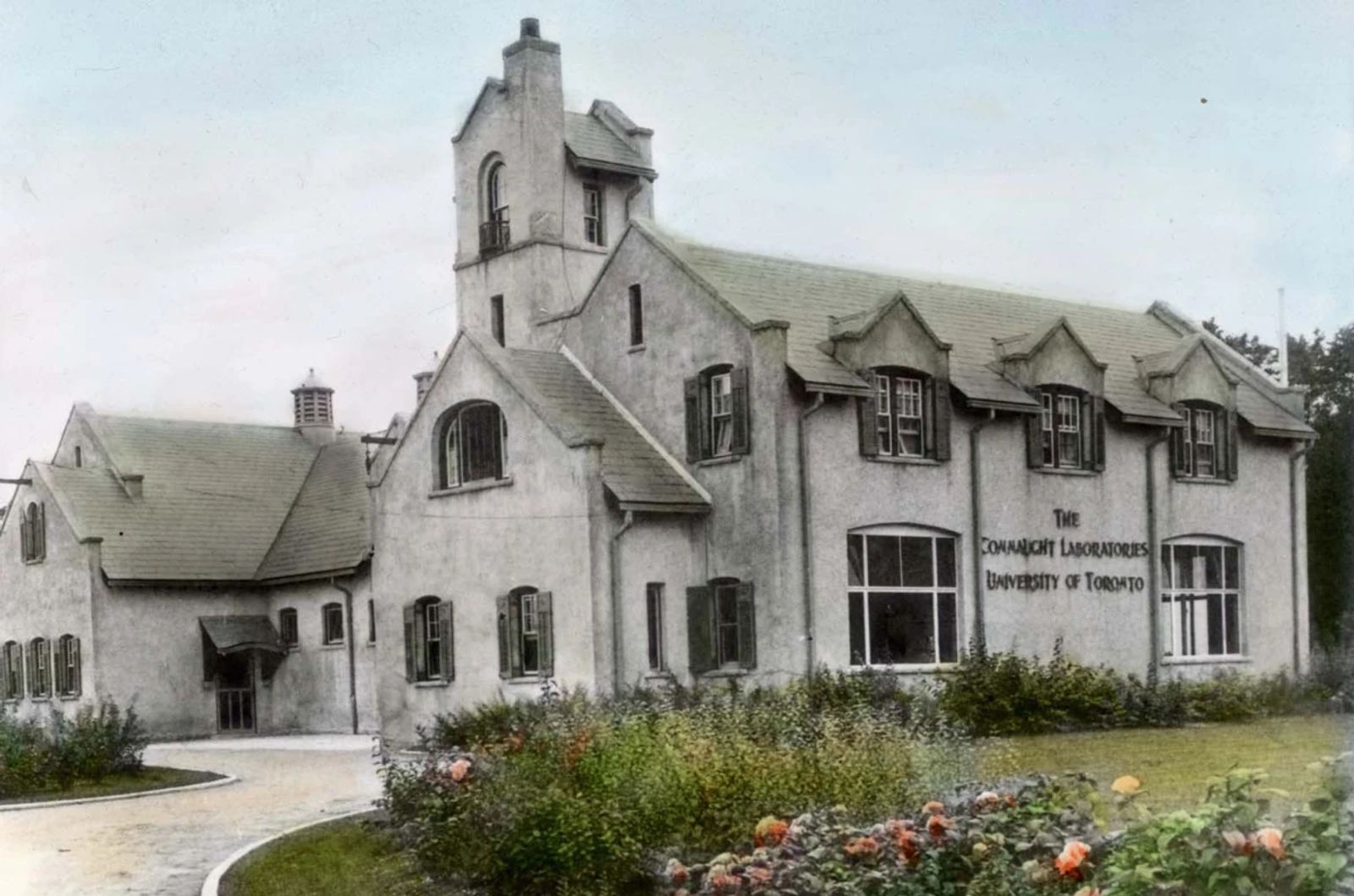
Connaught Laboratories opened
During World War I, a severe shortage of tetanus antitoxin led to the donation of a large farm north of Toronto, along with facilities to produce the antitoxin.
On October 25, 1917, FitzGerald’s expanded operation was officially named the Connaught Antitoxin Laboratories and University Farm, after the Duke of Connaught, Canada’s wartime governor general.
In the 1920s, Connaught grew rapidly following the discovery of insulin at the University of Toronto and the development of large-scale production methods. Connaught Labs also conducted the first field trials of diphtheria toxoid, establishing its effectiveness as an immunizing agent.
Other important products pioneered in the 1930s included fresh-strain pertussis vaccine and heparin, a blood anticoagulant.
During World War II, Connaught produced dried blood serum for the treatment of shock among soldiers. The most dramatic project was the production of penicillin in time for D-Day. On the home front, Connaught developed combined antigens that provided protection against diphtheria, pertussis and tetanus in one shot.
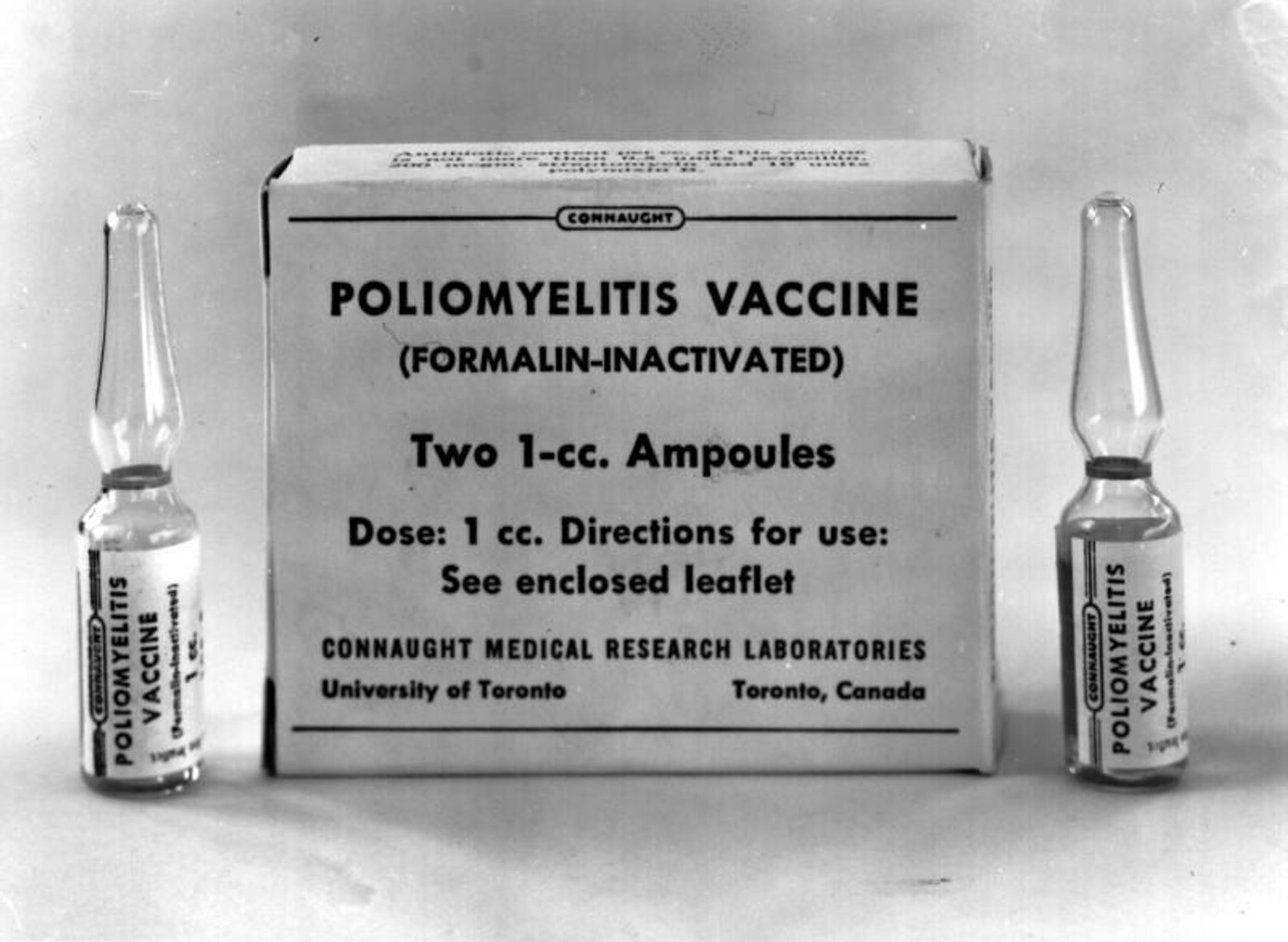
Contribution to polio vaccine
In the 1950s, Connaught scientists enabled Jonas Salk to develop a safe inactivated polio vaccine. Connaught’s new synthetic Medium 199 provided a safe base, while the "Toronto Method" of producing rocked-bottle cultures allowed enough poliovirus fluids to be produced for an unprecedented US field trial of Salk’s vaccine in 1954.
After introducing DPT-Polio vaccine in 1959, Connaught launched an intensive effort to produce the first trivalent Sabin live oral polio vaccine. In addition to new vaccines against influenza and measles, a freeze-dried smallpox vaccine was developed in the 1960s, which, along with Connaught’s other contributions, played a major role in the global eradication of smallpox.
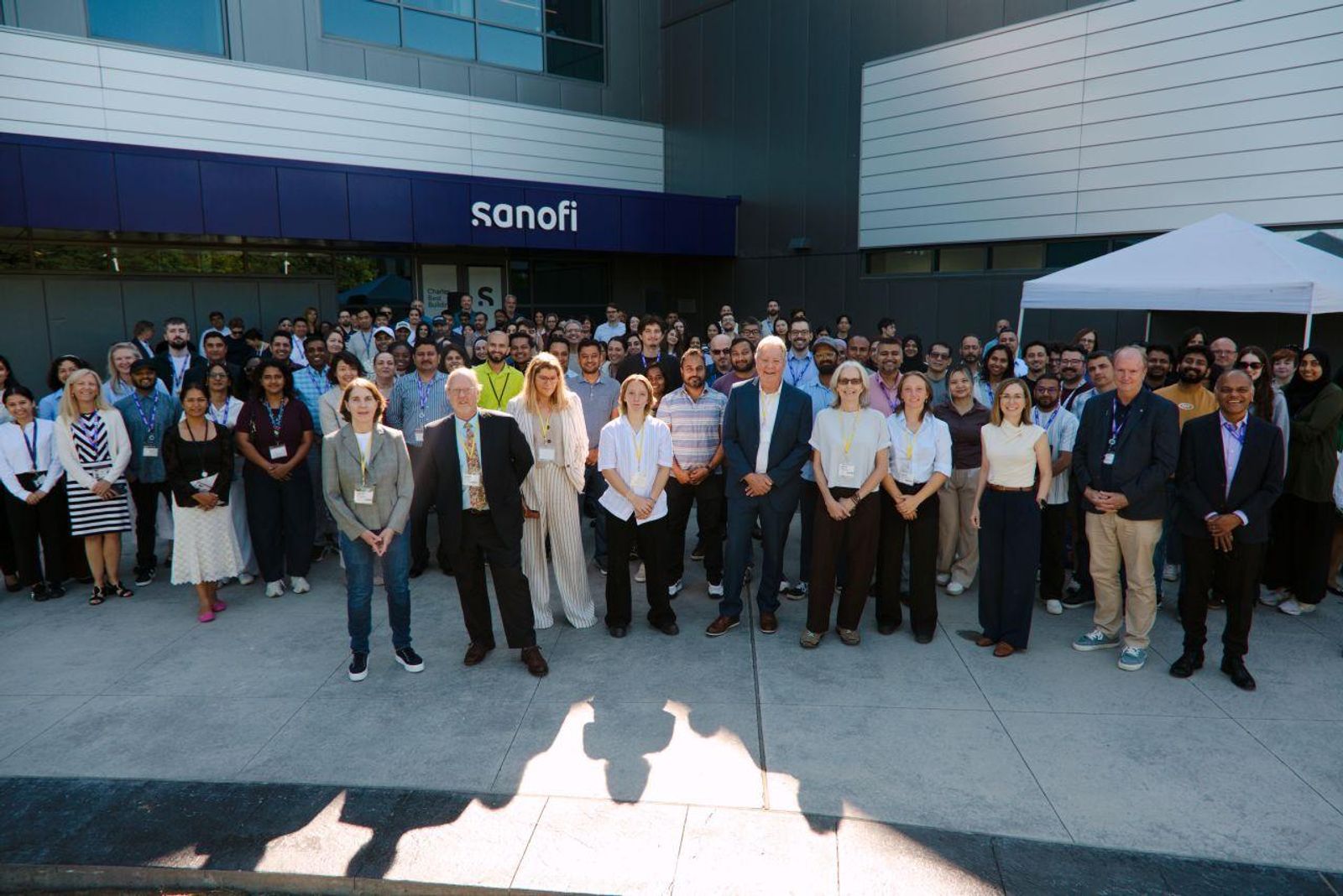
Honouring Charles Best’s Legacy
In 2026, we dedicated the Charles Best Building at our Toronto Campus, honouring one of Canada’s most influential medical pioneers. Dr. Best is known for co-discovering insulin—but his impact went far beyond that breakthrough.
His story is part of ours. Our Toronto Campus stands on the historic site of Connaught Laboratories, where he worked and where scientific discoveries helped protect generations of Canadians.
For more than 110 years, our Canadian legacy has been shaped by a commitment to scientific excellence. By naming the building in his honour, we celebrate a legacy of discovery and innovation that continues to inspire our work today. We were honoured to welcome members of the Best family to our campus to mark this special occasion.