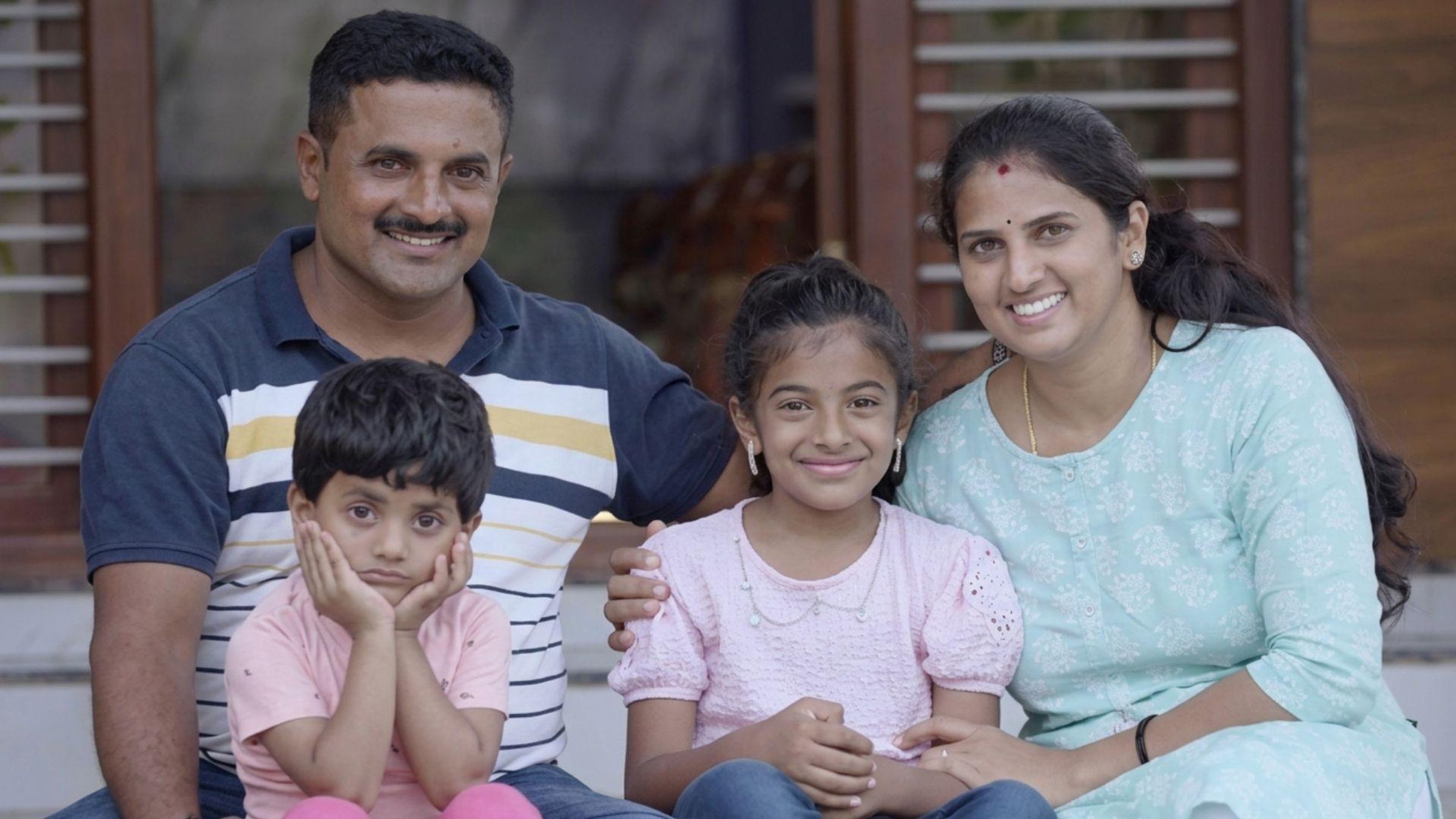
In 2026, our Rare Humanitarian Program marks its 35th anniversary—an important milestone that reflects the program’s lasting impact on patients, healthcare providers, and healthcare systems around the world.
Delivering Care Where It Is Needed Most
For more than three decades, our Rare Humanitarian Program has helped thousands of people living with rare diseases access treatment based on demonstrated medical need, regardless of where in the world they live or their ability to pay.
Established in 1991 alongside U.S. FDA approval of our first rare disease treatment, the program reflects the company’s broader belief that leadership in rare diseases extends beyond developing therapies.
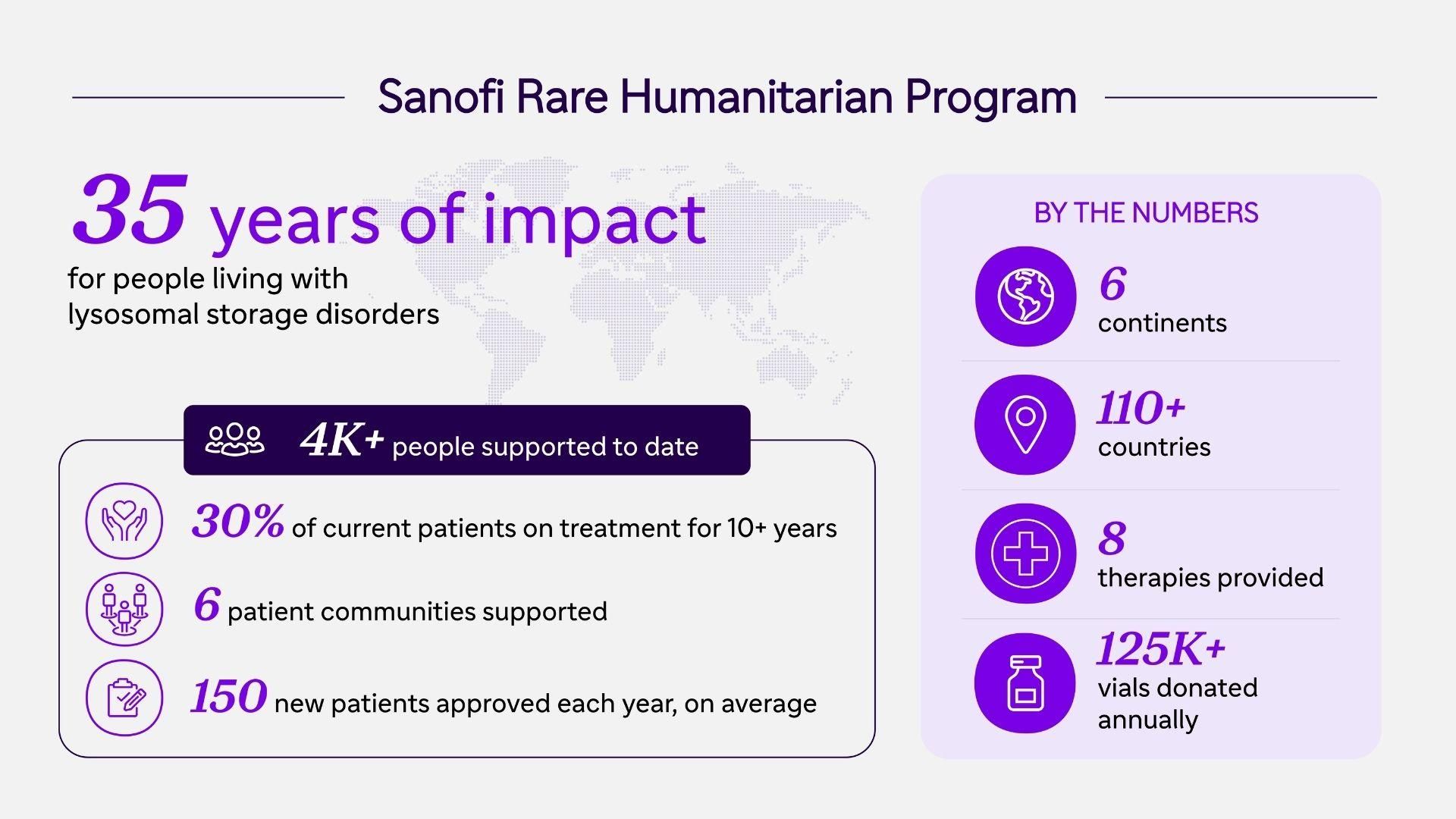
It is the first and longest-running humanitarian initiative of its kind, and over time, it has grown to support six lysosomal storage disorder communities across six continents, with a focus on regions where access to care is limited.
Creating Impact Across the Care Journey
Grounded in the needs of the communities it serves, the Rare Humanitarian Program is an integral part of our work to support patient diagnosis, physician education, treatment monitoring, and patient advocacy, working hand-in-hand with our Medical and Public Affairs teams along with other groups to support sustainable treatment for patients.
-
Supporting pathways that enable sustained, long-term patient access to approved treatments while ensuring continuity of care
-
Building provider knowledge around diagnosis, treatment expectations, monitoring, and ongoing care by delivering education and practical resources
-
Collaborating with patient organizations to raise awareness and address unmet needs within the lysosomal storage disorder community by amplifying patient voices and strengthening community outreach
-
Partnering with governments to strengthen sustainable healthcare systems that support long-term care for people living with rare diseases by advancing policies and infrastructure that enable durable access
The program supports patients in countries where reimbursement is not available due to a variety of reasons including geographic location, local healthcare infrastructure, or cost. Because treatment for lysosomal storage disorders requires lifelong access to therapy, nearly a third of patients in the Rare Humanitarian Program have been in the program for over a decade.
The Impact of the Program Over 35 Years Is Far-Reaching. Here Are Just a Few Stories:
Laisa lives in Mozambique and was diagnosed with Gaucher disease at age 15 in 2020, though she had experienced symptoms from the age of five. She started treatment in April 2022, and she successfully completed her 100th infusion earlier this year.
I see life differently even in the face of a rare disease. Everyone deserves an opportunity to move forward. I have an apparently healthy daughter who fills me with joy and hope for a better future.
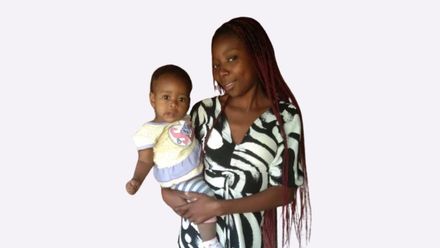
Laisa
Gaucher disease patient, Mozambique
The International Gaucher Alliance is one of several patient advocacy organizations that we partner with to navigate complex healthcare systems and secure treatment access for patients who would otherwise go without.
Tanya Collin-Histed, CEO, International Gaucher Alliance and the mother of a daughter living with Gaucher disease, explains, “What makes Sanofi's Humanitarian Program so valuable is that it is built on genuine partnership. Many of the patients we support come from countries where access to treatment has been very limited, making access a complex journey that often requires persistence, creativity, and collaboration. The International Gaucher Alliance is proud to work alongside the Sanofi Humanitarian team, healthcare professionals, patients, and families to help overcome barriers, advocate for those in need, and find solutions together.”
By acting as a trusted partner and champion for patients throughout their journey, this collaborative approach has brought hope to countless families and demonstrates what can be achieved when we share a commitment to ensuring that no patient is left behind.
Tanya Collin-Histed
CEO, International Gaucher Alliance
Through our Medical teams, we connect with hundreds of physicians from around the world. Often their first experience with rare disease treatment is through our Rare Humanitarian Program.
For Dr. Hela Boudabous, Associate Professor of Pediatrics and Hereditary Metabolic Diseases, La Rabta Hospital, Tunisia, her participation in our Rare Humanitarian Program marked a turning point in her career.
Every day, I witness the direct impact this program has on the lives and experiences of patients and their families. I am proud to contribute to this initiative which recalls the very essence of our profession: to care indiscriminately with humanity and compassion.
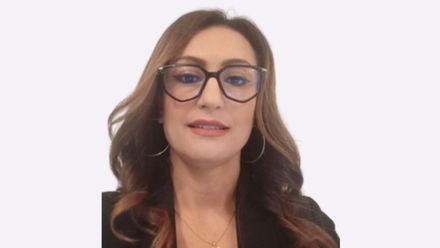
Dr. Hela Boudabous
Associate Professor of Pediatrics and Hereditary Metabolic Diseases, La Rabta Hospital, Tunisia
Access to treatment in conflict-affected and resource-limited settings is often obstructed by complex import regulations, delays at customs, and rapidly shifting political or security landscapes. We have worked with Global Health Partners for 17 years to overcome many logistical challenges to help deliver medicines to children and adults with lysosomal storage disorders in Cuba.
Our joint program has provided patients with rare diseases, many of whom are children, with sustainable and secure access to treatment, offering hope to previously unreachable patients.
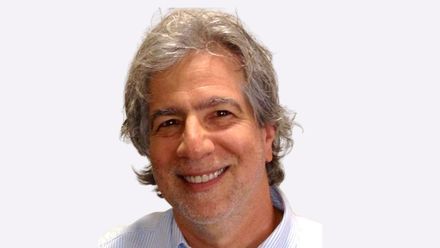
Bob Schwartz
Executive Director, Global Health Partners
Pursuing What’s Possible for Rare
The work is not finished. In the last decade, we have expanded our commitment beyond lysosomal storage disorders. As a Founding Visionary Partner of the World Federation of Hemophilia Humanitarian Aid Program, we, together with Sobi and other contributors, are helping address treatment gaps for people living with hemophilia in emerging countries.
The WFH Humanitarian Aid Program improves the lack of access to care and treatment by providing much-needed support for people with inherited bleeding disorders in developing countries. By providing patients with a more predictable and sustainable flow of humanitarian aid donations, the WFH Humanitarian Aid Program makes it possible for patients to receive consistent and reliable access to treatment and care.
In the years ahead, the Rare Humanitarian Program will continue to evolve to meet community needs and expand sustainable access to care—pursuing what’s possible for rare so that more people can experience more of what matters most.
