What Is It?
Sanofi is committed to collaborating with partners to advance cutting-edge discoveries into transformative medicines that improve patient lives. The Sanofi Innovation Awards (iAwards) program, created in 2015, was designed to do just that. More than 32 top academic and medical centers in North America participate in this program to advance innovations in target identification and translational science into first-in-class therapeutic solutions.
About the Program
- Seed funding of $150.000 USD
- Dedicated Sanofi Project Champion and resources (subject matter experts)
- A steppingstone to further collaboration
Who Are We Looking For?
Who are we seeking? Principal investigators at our partner academic and clinical institutions who are advancing breakthrough concepts and therapies in key areas.
- Immunology and inflammatory diseases
- Rare Diseases
- Neurological Diseases
- Target Disease and Systems Biology
- Ophthalmology
- Oncology
- Vaccines
- Novel therapeutic concepts
The 2026 Call for Projects will be April 13th, 2026
Only principal investigators belonging to one of the iAwards partner institutions are eligible to this call. For more information, please contact SRI-NA@Sanofi.com.
Our Selection Process
A fast process to select and start projects in less than 8 months
Week 0
+8 Weeks
+4 Weeks
+6 Weeks
+4 Weeks
Final selection by Sanofi experts
+8 Weeks
Testimonials
“More than just providing research support, the iAward program catalyzed a meaningful collaboration between my lab and Sanofi, with genuine intellectual exchange of ideas and resources around our shared scientific interests in neuroimmune and neurodegenerative disease. The program enabled Sanofi scientists to engage early with cutting-edge, unpublished discoveries from our lab, while providing us with valuable industry perspective on translational challenges and opportunities. It also had a strong impact on trainee development, as students in my lab gained direct exposure to industry scientists and were actively involved in the project. Together, this collaboration advanced our science toward translational insights with the potential to inform future therapeutic strategies.”
J. Bradley Zuchero, PhD, Associate Professor of Neurosurgery, Covert-Matera Families Endowed Faculty Scholar, Stanford University School of Medicine

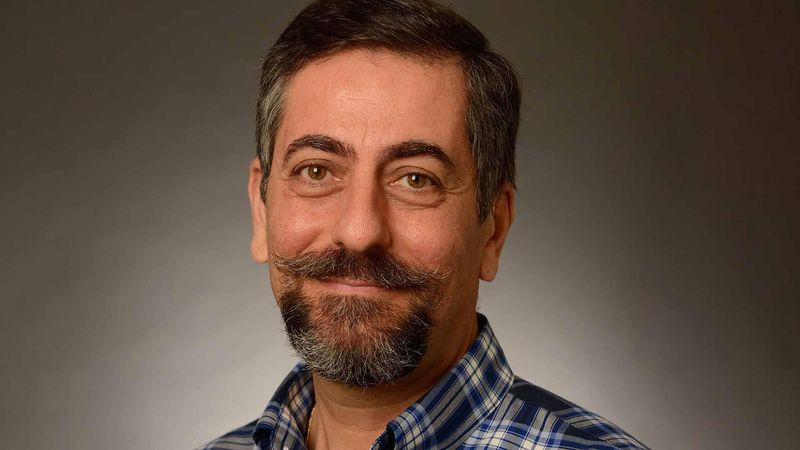
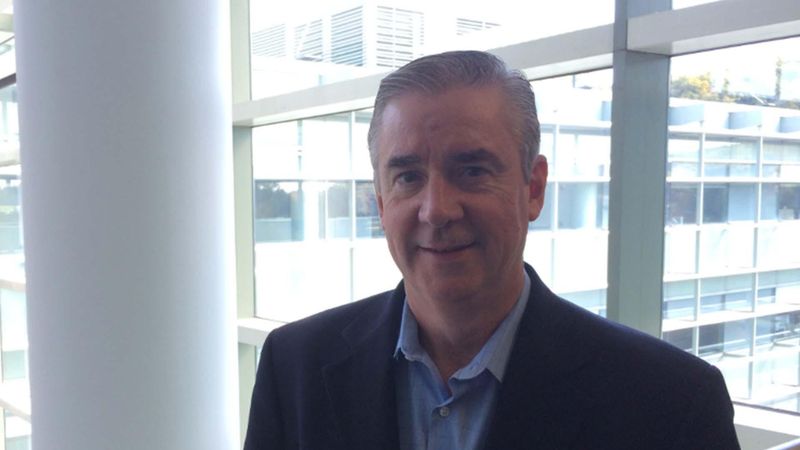
iAward Recipients for the 2026 Cycle
Dr. Leslie Kean
Boston Children's Hospital
Dr. Ye Sun
Boston Children’s Hospital
Dr. Rajat Gupta
Brigham and Women’s Hospital
Dr. Sandro Santagata
Harvard University
Dr. Kenneth Tanabe
Massachusetts General Hospital
Dr. Xiaoyu Zhang
Northwestern University
Dr. Chaitan Khosla
Stanford University
Dr. Qiaobing Xu
Tufts University
Dr. John Landers
University of Massachusetts, Chan Medical School
iAward Program Partners
- Beth Israel Deaconess Medical Center
- Boston Children’s Hospital
- Brigham and Woman’s Hospital
- California Institute of Technology
- Cincinnati Children’s Hospital Medical Center
- Columbia University
- Dana Farber Cancer Institute
- Duke University
- Emory University
- Johns Hopkins University
- Massachusetts General Hospital
- Northwestern University
- Sinai Health System
- Stanford Medicine
- State Research University of New York
- Sunnybrook Research Institute
- The Research Foundation for the State University of New York
- Tufts University
- University of Alabama at Birmingham
- University of California Los Angeles Technology Development Group
- University of California San Francisco
- University of Chicago
- University Health Network
- University of Florida
- University of Massachusetts Medical School
- University of Notre Dame
- Vanderbilt University
- Vanderbilt University Medical Center
- Weill Cornell Medicine
- University of Calgary
- University of Massachusetts Boston
- University of California San Diego
Joint Publications
The engineered AAV2-HBKO promotes non-invasive gene delivery to large brain regions beyond ultrasound targeted sites
Molecular Therapy: methods & Clinical Dev Vol 27: Dec 2022 pp 167, Isabelle Aubert, Sunnybrook
Organizing Structural Principals of the IL-17 ligand-receptor axis
Nature Vol 609: Sept 2022: PP 622, Chris Garcia, Stanford Univ
A human model of asthma exacerbation reveals transcriptional programs and cell crcuits specific to allergic asthma
Science Immunol 2023; May 12;8(83), Ben Medoff, MGH
PROTAC-mediated NR4A1 degradation as a novel strategy for cancer immunology
J Expth Med 2024 Vol 221 No 3, Weizhou Zhang, Univ Florida
Skin immune-mesenchymal interplay within tertiary lymphoid structures promotes autoimmune pathogenesis in hidradenitis suppurativa
Immunity 57, Dec 2024 pp 2827, Catherine Lu, NYU - Langone
15-ep-lipoxin A5 promotes neutrophil exit from exuadates for clearance by splenic macrophages
FASEB Journal 2024; 38:e23807, Bruce Levy, BWH
Origins and diversity of pan-isotype human bone marrow plasma cells
bioRxiv, May 2024, Duane Wesemann, MGH
For more information about North America partnerships,
contact SRI-NA@sanofi.com