More Than Multiple Myeloma; Understanding the Unseen Burdens

For years a woman ran a thriving local restaurant in Germany, revered for its 16+ varieties of ravioli, but her multiple myeloma diagnosis altered everything. It wasn’t just the medical diagnosis or the physical impact of multiple myeloma; her entire world was upended. The business she worked endlessly to grow eventually closed so she could focus on her health.
"It started with pain in my left arm that really hindered my work," she said. "One day, I used heavy pasta machines, the next I couldn't."
This one person’s profound experience speaks to a truth many patients face—multiple myeloma is far more than just a medical condition.
Multiple myeloma (MM), a complex blood cancer that develops in the plasma cells of bone marrow, reaches far beyond clinical assessments and treatment. While medical professionals focus on the disease markers and outcomes, patients and their support networks navigate a parallel reality shaped by invisible burdens that impact every part of their daily lives.
Physical symptoms, fatigue, pain, and cognitive impairment fluctuate unpredictably, making it difficult for others to appreciate the daily variability the patient experiences. Emotionally, patients carry the anxiety of disease progression, fear of relapse, and the psychological weight of living with an incurable disease. Social isolation compounds this, as treatment schedules, compromised immune systems, and limited energy force withdrawal from routines and the relationships that once defined them. Then, the healthcare system presents its own barriers, from insurance challenges to fragmented care.
Understanding these unseen burdens through a holistic lens is essential to developing strategies addressing not only the biological aspects of multiple myeloma but also the profound ways this chronic disease reshapes every part of a patient’s life, relationships, and sense of self.
Living with Multiple Myeloma: Understanding the Full Patient Disease Burden
Multiple Myeloma often brings an invisible, relentless burden that extends far beyond physical symptoms. It manifests through profound emotional, psychological, and social tolls. Many patients know little about the diagnosis and disease leading to feelings of isolation and overwhelming uncertainty. This often forces significant lifestyle changes, impacting their ability to pursue passions, maintain careers, or engage fully with their communities. Given its incurable nature, the demanding, long-term treatment further exacerbates this impact. In one study, newly diagnosed patients spent approximately 77 cumulative days interacting with the health care system within the first year of their diagnosis, robbing time from their careers, relationships, hobbies and other aspects of life.1
We hear from patients and advocates globally about the profound disruption multiple myeloma brings to daily life. Understanding this full burden — not just the diagnosis but the emotional and social impact — is critical to how we approach innovation and support for this community, especially in addressing the demands of long-term treatment.
Hilary Hansen
Global Public Affairs lead at Sanofi
The Voices of Multiple Myeloma Patients Reveal the Profound, Often Unexpected, Challenges of Their Journeys
Putting Patients First: Sanofi’s Holistic Approach to Multiple Myeloma
At Sanofi, we recognize that addressing these profound and often unseen challenges is fundamental to improving lives. Our commitment extends far beyond developing new therapies. The real-world experiences of people living with Multiple Myeloma inform every aspect of our approach to scientific innovation and care – from clinical trials to post-treatment resources and other patient support services. We strive for a comprehensive approach that actively supports the global Multiple Myeloma community at every stage of their journey, partnering with patients, caregivers, and healthcare professionals to directly address unmet needs and foster meaningful hope.
Multiple myeloma changed my life's trajectory, taking my restaurant, but it didn't take my spirit,” said a person living with Multiple Myeloma. My journey to India taught me that even in profound struggle, there's a strength to be found. You will live with this for long periods; your treatment might be tough, but you will find ways to overcome these adversities and embrace living fully.
Person living with Multiple Myeloma
Through our global MMoving Forward initiative, we’re bringing together key experts uniting a diverse array of Multiple Myeloma experts, including patients, healthcare professionals, and policymakers to work together on innovative solutions focused on addressing the challenges and unmet needs commonly faced by patients, such as relapse and drug resistance. The initiative also aims to support crucial advocacy work, to better understand the barriers and challenges patients face with a new diagnosis and highlight the pivotal role of nurses in the care journey. Through our strong alliances within the Multiple Myeloma community, we strive to ease the burden of this disease and restore hope to those impacted by cancer.
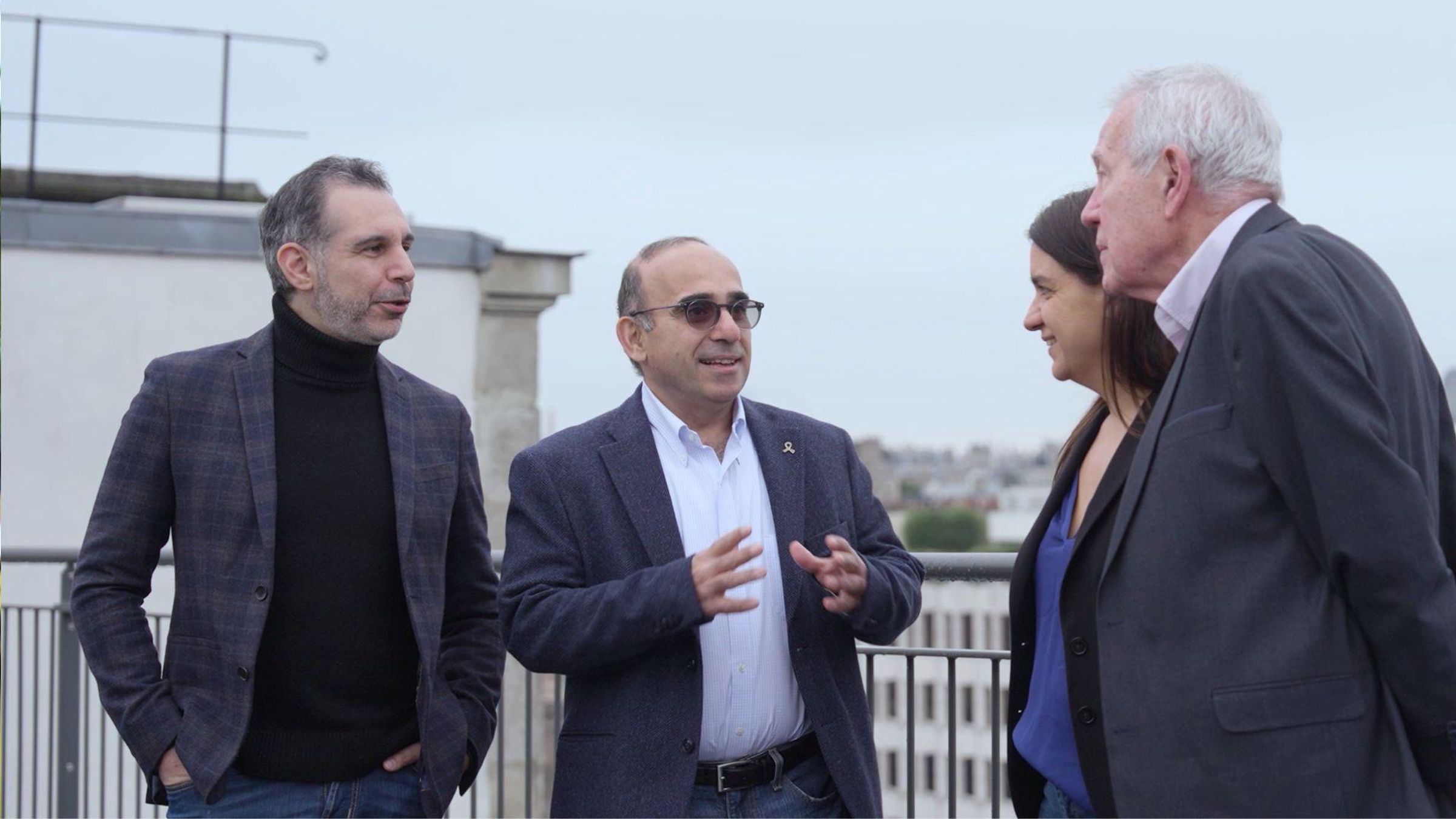
The Disease Burden Can’t Take My Spirit
The resilience and strength of the Multiple Myeloma community continues to inspire our work. While the journey undoubtedly brings many challenges, acknowledging and addressing the full spectrum of unseen burdens from physical, emotional, and social, is essential in supporting patients as whole individuals. These invisible struggles deserve visibility, validation, and action to improve the quality of life for patients. Sanofi remains steadfast in its commitment to fostering hope, advancing holistic care that honors the complexity of living with a chronic disease, and enabling patients to live more fully, preserving their spirit and reclaiming their lives on their terms.
Explore More
MMoving Forward: Sparking Change in Multiple Myeloma
References
- Mian, H. S., Fiala, M. A., & Wildes, T. M. (2021). Burden of Treatment Among Older Adults With Newly Diagnosed Multiple Myeloma. Clinical lymphoma, myeloma & leukemia, 21(2), e152–e159. https://doi.org/10.1016/j.clml.2020.09.010