How Sanofi Is Working with Communities While Reducing Its Emissions
Climate change is one of the greatest global health threats. As a global healthcare company, we at Sanofi have a responsibility to act.
For several years, we’ve been implementing our Environmental Sustainability strategy with a clear ambition: moving towards Net Zero greenhouse gas (GHG) emissions across all scopes by 2045.
Prioritizing Emission Reduction
Avoiding and reducing GHG emissions remains our first priority, and we are proud of the progress made. In 2025, we reduced scope 1 and 2 emissions by 49% compared to 2019, putting us on track towards our 2030 target of 55%. Across our value chain (scope 3), emissions decreased by 14% according to our transition plan perimeter, supporting our goal of a 30% reduction by 2030.1
Transitioning to renewable energy is a key driver of this progress. At the end of 2025, 86% of our electricity came from renewable sources, keeping us on track to reach 100% renewable electricity across our global operations by 2030 in line with the RE100 initiative.1
Reducing scope 3 emissions remains challenging, but since 2019 we’ve made significant progress through improved raw material sourcing, lower air freight and business travel, better energy management and reduced waste generation and treatment. We’re also working with suppliers to accelerate the decarbonization of their operations through industry partnerships such as the Pharmaceutical Supply Chain Initiative, the Sustainable Markets Initiative and Energize, helping drive change at scale across the industry.
Mitigating the Impact on Climate of Remaining Emissions
Even as we do everything possible to avoid and reduce emissions, we recognize that some cannot yet be fully eliminated. By 2045, we aim to limit these residual emissions to less than 10% of our 2019 baseline, in line with our SBTi Net Zero commitment.
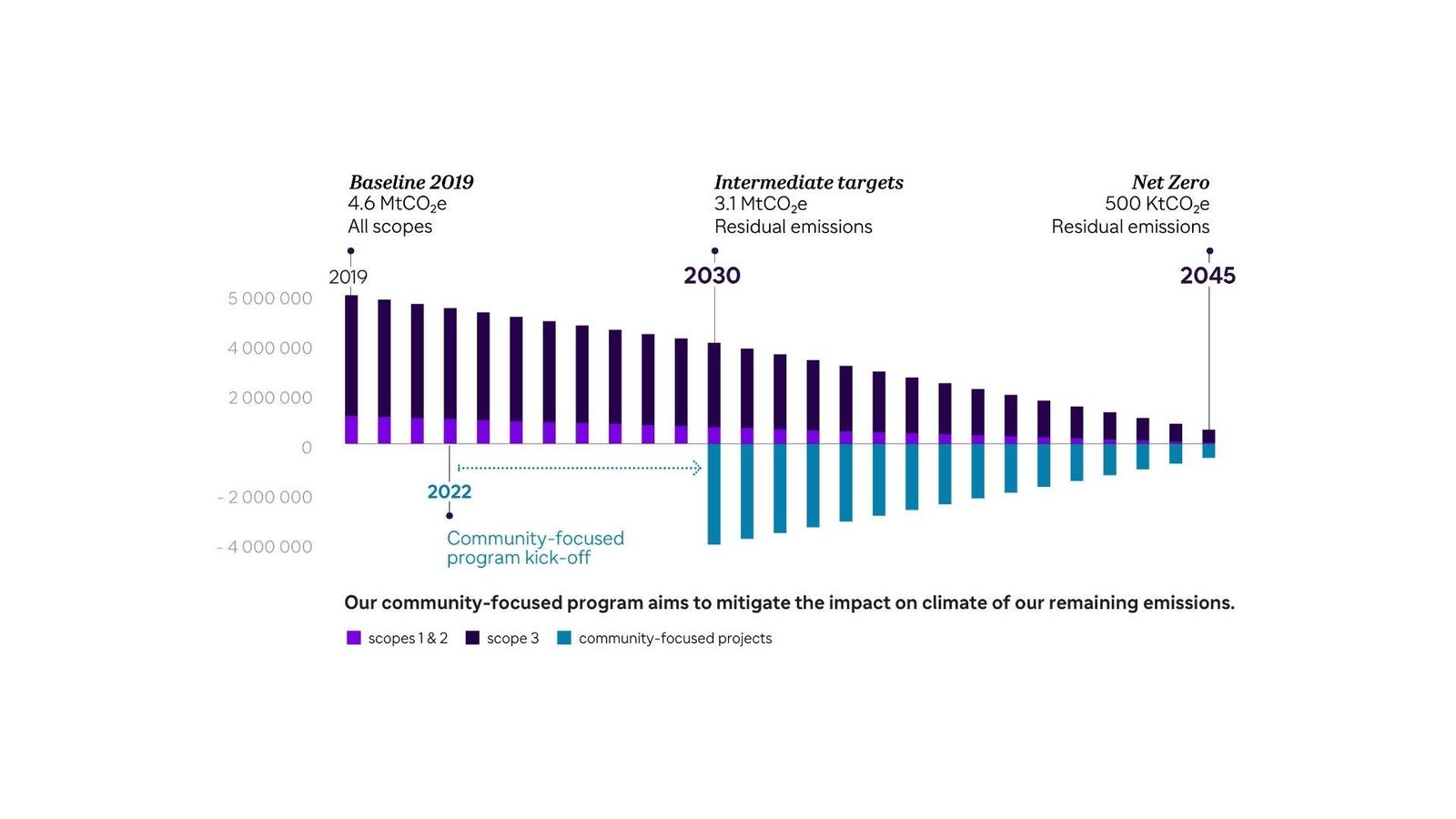
To address these residual emissions, we’re expanding our community-focused program designed to deliver environmental and social benefits — from improved water quality and more efficient cooking solutions strengthening resilience against climate-related health risks to nature-based solutions. These projects are designed to remove or avoid carbon emissions while supporting nature, improving community health, and empowering those most vulnerable to climate change to take action. They will be certified for their carbon avoidance and sequestration potential, and for related co-benefits under international certification standards (i.e. Gold Standard, VCS by Verra, CCB..).
Improving Lives Across the Globe
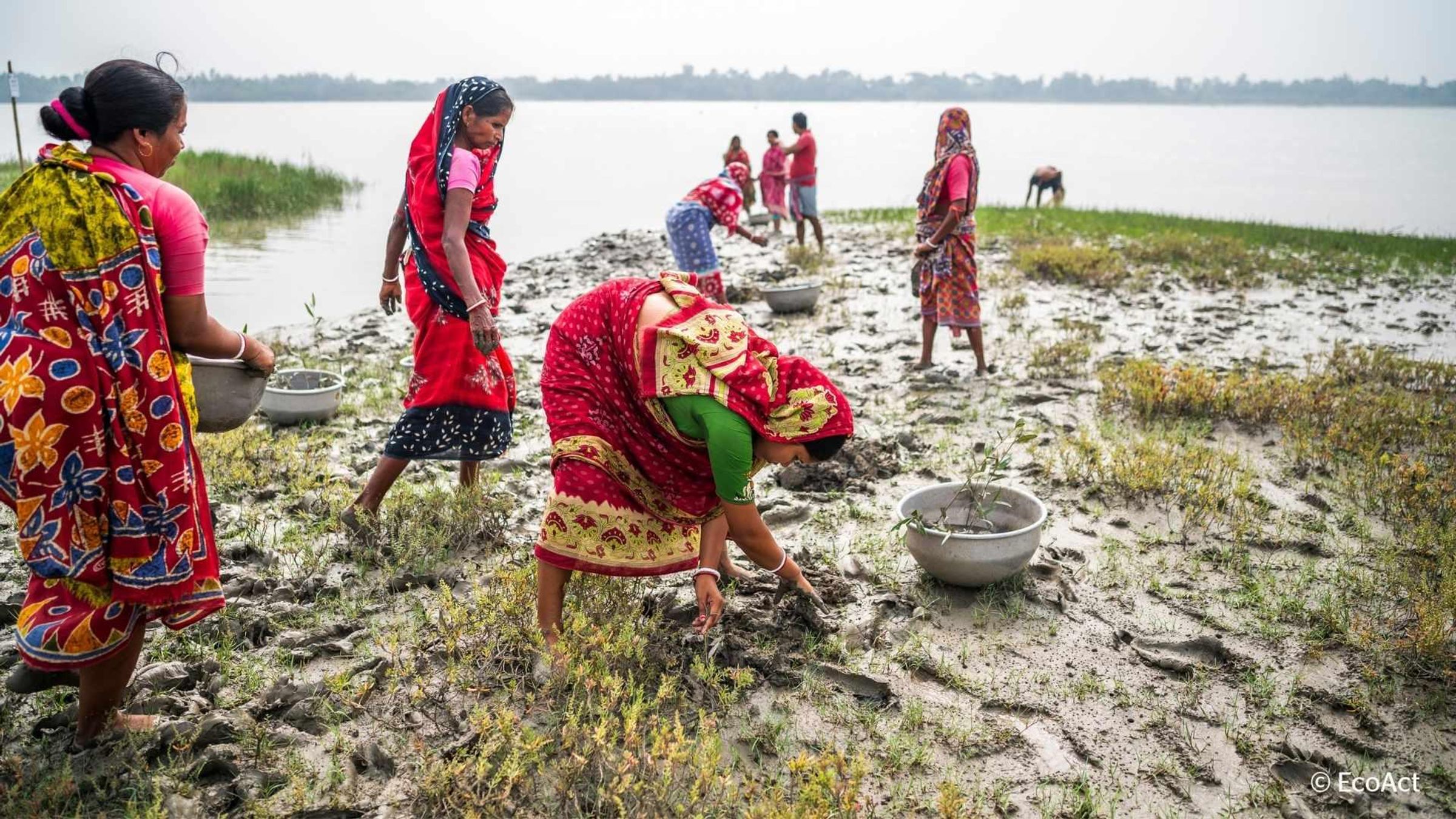
Since 2022, we’ve launched long-term projects across Kenya, Mozambique, Nepal, Uganda, and India, focusing on mangrove restoration, agroforestry, efficient cooking, and water access. Spanning the next 20 years, these initiatives deliver environmental, social, and economic benefits, supporting the United Nations Sustainable Development Goals (SDG), and contributing to improve the health and livelihoods of vulnerable communities.
Co-developed with recognized partners such as Schneider Electric, Removall, SouthPole and Climate Impact Partners, these projects have the potential to avoid or sequester CO2e emission over their lifetimes. They’re implemented in regions where strengthening climate resilience, addressing health risks, and empowering communities is most urgent.
Efficient Cooking
By increasing burning efficiency, improved cookstoves are reducing wood fuel consumption used for daily cooking, easing deforestation pressure. They also contribute to respiratory health improvement, physical burden reduction especially on women, local livelihoods support through job creation and income generating opportunities increase.
18,250
Water Access
By proving permanent access to safe drinking water close to beneficiaries’ homes, handpump rehabilitation projects alleviate the daily burden of fetching water, especially for women, and reduce exposure to waterborne diseases. They also help reduce pressure on forests, as households no longer need to boil water for consumption, while promoting local economic empowerment and community autonomy. As part of the Pungue Project, 1,040 hand pumps have been rehabilitated across 10 districts in Sofala region in Mozambique. It has been certified by Gold Standard in 2025.
Nature-based Solutions
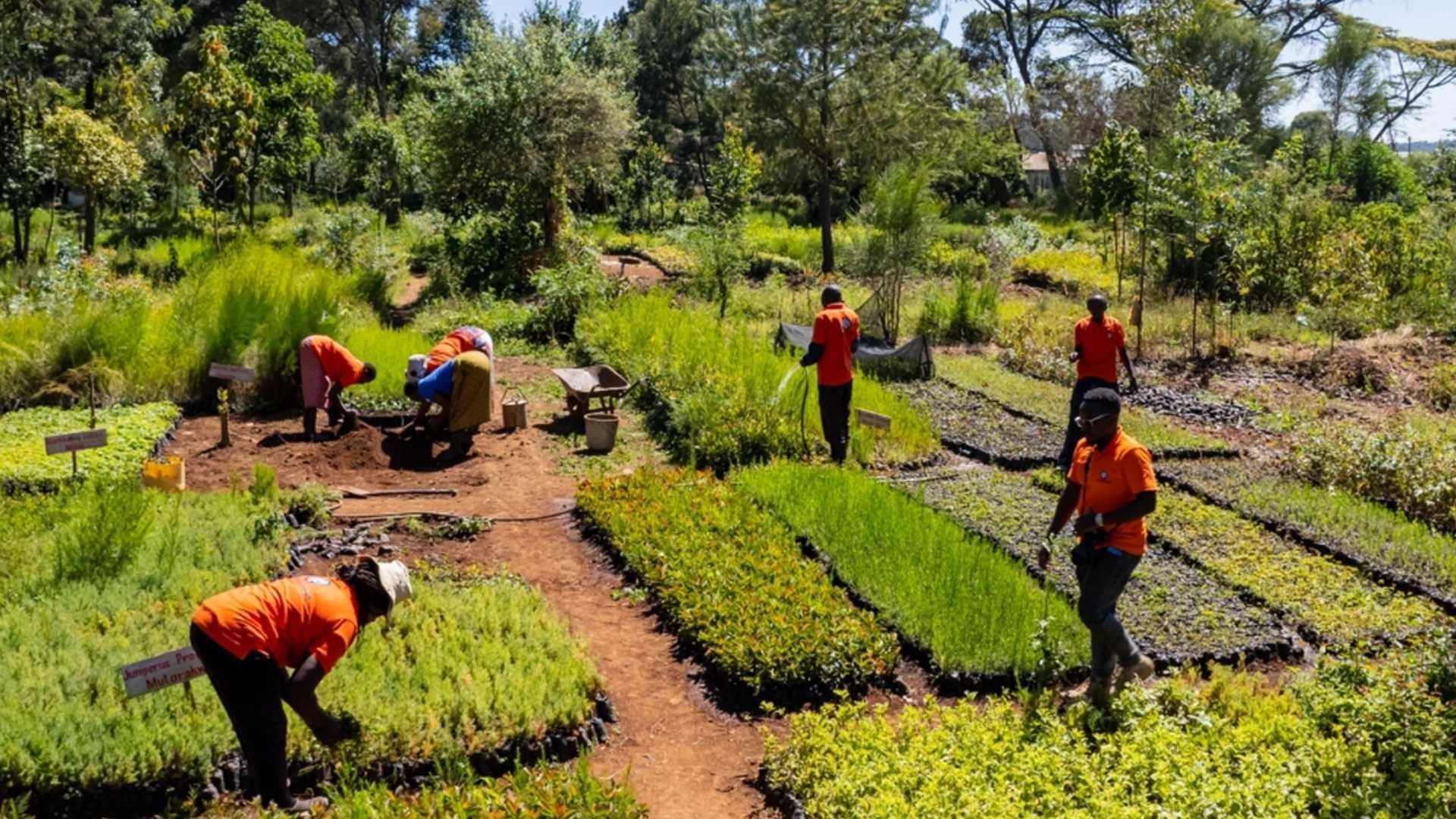
Tree nursery maintained as part of the Mount Kenya Regenerative Agroforestry Project, Nyahururu, Kenya
By restoring degraded lands and coastal ecosystems, nature-based solutions sequester carbon while revitalizing soils, enhancing biodiversity, and strengthening climate resilience. They improve food security through improved farming, create local employment opportunities especially for women, and empower communities by preserving land ownership and traditional knowledge while building long-term economic independence and resilience against climate change.
1,600+
Each project is designed to remove or avoid carbon emissions while contributing to health improvement, fostering economic opportunity, supporting vulnerable communities and protecting nature, through an integrated, community-centered approach to sustainability.
Our Commitment to Sustainable Healthcare
We recognize there is still much work ahead. Our focus remains on scaling initiatives that meaningfully reduce or sequester emissions and deliver tangible benefits to local communities and ecosystems. Every step strengthens our contribution to a more sustainable, healthier future.
At Sanofi, sustainability goes hand in hand with serving communities. On our journey toward net zero, we’re contributing to improving living conditions, working with communities, and minimizing environmental impact - one project at a time.
Explore More

Our Environmental Impact
All in on AI, Environmentally Responsible